
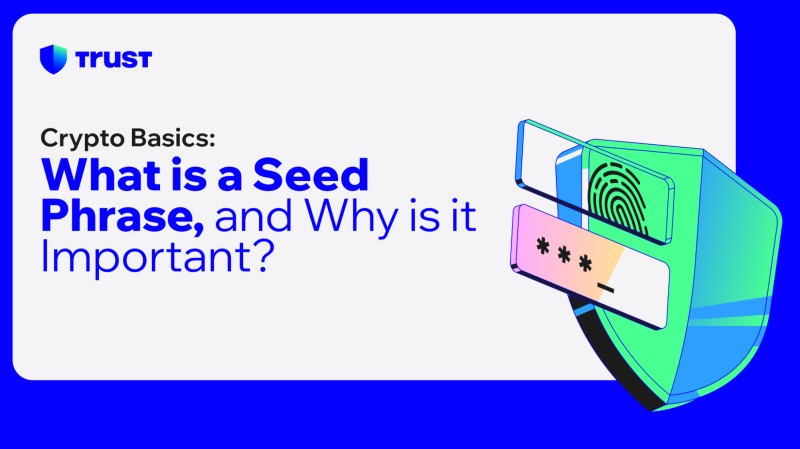
What Is a Crypto Seed Phrase
There’s a moment in the life of any new wallet when the software presents a set of plain words and asks you to guard them. If you ever touch crypto, you need to understand what is a crypto seed phrase. It is a row of ordinary words that acts as a master key to your money. The device can break, the app can vanish, but those words rebuild the wallet. I like to call it the charter to your own bank. Self-custody begins the instant those words appear on screen.
Most often the phrase is twelve to twenty-four simple English words. Some hardware wallets like Ledger produce twenty-four. The wallet reveals them at first setup. You must capture them in order. Lose the phone or watch the computer die, and you simply type the words into a new wallet - your coins reappear. That is the whole point of self-custody, and the safest road in crypto is the one where you hold the label.
The phrase goes by many names - recovery phrase, backup phrase, mnemonic phrase - but all point to the same idea. It is a human-readable form of the private key. Long strings of letters and numbers invite error; words are easier to commit to paper. This is why wallets ask you to save the words and then test you, making you type them back to prove recall. The application is really asking: can you hold the label when the device is gone?
Share it, and you hand over the kingdom.
I want to stress this part, because it is the founder’s curse in reverse: anyone who obtains your words can move your crypto. They need no phone, no password. The phrase is the real proof of ownership. Self-custody means you are the bank, and the seed phrase is the charter. The safest road in crypto is the one where you hold the label. Those words contain everything required to access the blockchain.
CoinGecko explains seed phrase generation and BIP39
How the Words Get Made
The words originate from a standard called BIP39 - Bitcoin Improvement Proposal 39. It fixes a list of 2,048 words. The wallet selects random words from that list to compose your phrase. This is why a seed phrase from one wallet can often be imported into another without friction. Apps typically make you write the words, then confirm them. The standard defines the cryptographic process that turns random entropy into a human-readable mnemonic.
There is a neat logic here. Trust Wallet, MetaMask, Ledger, and Coinbase Wallet all follow this rule, so you are not locked to a single brand. The length is no accident. A twelve-word phrase carries 128 bits of entropy; a twenty-four-word phrase carries 256 bits. Both are considered secure by those who study such things.
Why the lengths differ
- Twelve words offer robust safety for daily use.
- Twenty-four words add a guard against future quantum attacks that remain, for now, theory.
- Both types draw from the same BIP39 list of 2,048 words.
- Every word is plain, found in an ordinary dictionary.
Some worry about guessing. Don’t. A twelve-word phrase yields roughly 5.4 × 10^39 combinations. Brute force would outlast the universe. The real danger is phishing, malware, or plain human error - topics we’ll visit later. For now, know the words are random and standard. The BIP39 spec is why a phrase from one wallet typically imports into another.
Why the Phrase Matters So Much
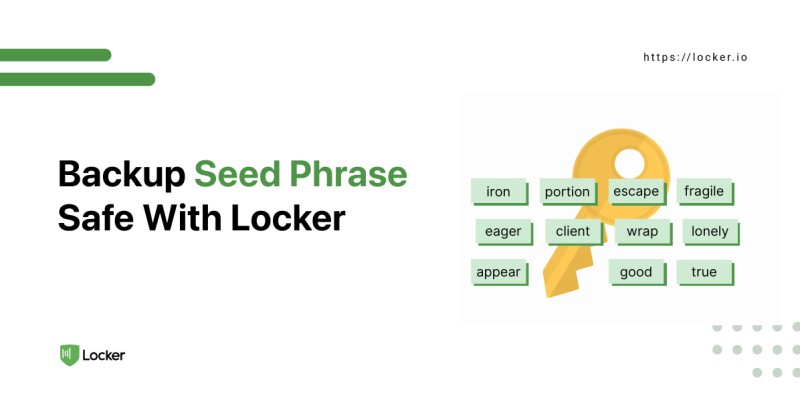
The importance cannot be overstated. Your seed phrase is the only path back when things go wrong. Lose the device and the words still hold the money. No phrase means no access; the chain retains the asset but no one can sign. That is a deliberate property of self-custody. Lose the phone or watch the computer fail, and you enter the phrase into a wallet to access your crypto again.
Main jobs of the seed phrase
- Recovery: reclaim funds after a lost or broken device.
- Security: even if someone opens your app, they cannot move coins without the phrase.
- Portability: shift your wallet to a new device or a different app with ease.
- Simplicity: one set of words replaces many private keys across many coins.
If you lose control over your seed phrase, there is a high chance of losing entire crypto funds.
That sounds harsh, but it is true. I keep my copy in a safe spot; you should too. The phrase is a backup of your private keys, letting you recover even if you forget the password. Yet anyone with it can move your crypto, so store it offline and never share. The phrase holds all needed information for accessing crypto on a blockchain. It is proof of ownership, able to unlock every capability of a crypto wallet.
Seed Phrase vs Private Key
A private key is a single long cryptographic key for one address. The seed phrase is the human-readable backup that generates all your private keys. One phrase can govern many addresses across many blockchains. That is the core difference. A private key controls one specific wallet address.
If someone obtains either the single key or the full phrase, they can access the funds. But the phrase is easier to store and rebuild. I prefer to think of the phrase as the root, the keys as branches. Cut the root and the whole tree falls to the wrong hands. A private key alone controls one spot; the phrase controls the entire garden. Either in the wrong hands grants access to the corresponding funds.
CryptoSnake on lost bitcoin and seed phrase safety
How a Seed Phrase Works in Your Wallet
When you create a new wallet, the software generates a unique seed phrase. From that phrase it derives all private keys, which in turn generate public addresses. This occurs on a phone app or a crypto hardware wallet alike; the process is identical under the hood. The wallet software creates a random seed phrase at the same moment as the crypto address and its associated digital keys.
Steps inside the wallet
- Wallet creation: set up a new wallet via an app or hardware device.
- Seed generation: the wallet produces a random phrase.
- Key derivation: the phrase generates the private keys.
- Address creation: public addresses arise from the keys.
From that single phrase, the wallet rebuilds all addresses and funds across coins. The beauty is you need only remember or store one thing - I find that elegantly simple. Whether you use a secure wallet for crypto on a laptop or phone, the flow is the same. Your wallet can recreate all addresses and access funds across multiple cryptocurrencies. From this single phrase, it reconstructs every address and grants access to funds across many coins.
Making a Wallet and Your First Phrase
Let’s walk through two common wallets. With Trust Wallet you install the app, tap create new wallet, and it reveals a twelve-word phrase. Write it on paper in order. The app tests you by asking for the words, then you set a PIN or biometric lock. That is the whole setup. The app generates a unique twelve-word seed phrase and asks you to verify by entering words when prompted.
MetaMask is a non-custodial wallet for Ethereum-based assets. It makes keys locally. You set a password that only blocks local access, not recovery. The app provides a twelve-word secret phrase. Save it in a password manager or on paper. MetaMask support never asks for it; they cannot reset your account. Before install, set up a password manager. MetaMask guidance suggests backing up the secret seed phrase in a password manager, cold wallet, or hidden written paper.
You might use the best crypto wallet app for iPhone if you favour Apple devices, or perhaps a Coinbase hardware wallet style device for cold storage. The point is the phrase appears at start and you must guard it. Most modern cryptocurrency wallets follow BIP39, so the words travel well. The secret twelve-word seed phrase is generated and you must confirm it.
Keeping Your Phrase Safe
This part matters; pay attention. Standard advice is clear: write the phrase on paper or engrave on metal. Never keep it in a file on your computer or phone. Cloud backup of photos is a trap because malware can read images. Screenshots often sync to iCloud or Google Photos unnoticed. Malware can scan device storage for images and extract seed phrases via OCR. The safest practice is paper or metal backup - never a digital copy.
Basic safety steps
- Write it down: paper or metal plate, never a digital copy.
- Store secure: home safe, fireproof spot, or safety deposit box.
- Never share: not with family, not with fake support.
- Avoid digital: no screenshots, no cloud, no plain text files.
Treat it like physical cash.
Some split the phrase into parts kept in different places, spreading risk. For large holdings, Shamir Secret Sharing or multi-sig wallets remove the single point of failure. I lean to a simple paper copy in a safe plus a metal plate at a friend’s house - but you do you. Physical storage methods vary; some laminate paper cards, others engrave steel. Create several physical copies in different locations to prevent loss from a single mishap.
Using Password Managers for Backup
Conventional advice says never store online. Yet some sources note a password manager with end-to-end encryption and zero-knowledge architecture can be safe; the provider cannot see inside. You need a strong unique master password and two-factor auth. This shifts old rules, but makes sense with good tech. The password manager must have a strong unique password used only for it, and two-factor authentication enabled with backup recovery codes.
Bitwarden is open source and audited; it encrypts locally before cloud, offers vault health reports and emergency access for family. Locker gives each user a separate place for crypto backups with industry-standard encryption. MetaMask itself suggests a password manager as one option. These tools can reduce loss if used correctly. Bitwarden safeguards include a self-host option and no one else seeing data; it retains generator history that can be cleared.
When you pick a cryptocurrency wallet backup method, think about control. A cold wallet for cryptocurrency setup keeps keys offline. But a manager like Bitwarden can hold the words if built right. Just don’t use a weak master password. The password manager must have a strong unique password used only for it, and two-factor auth enabled with backup codes. Examples like Bitwarden are open source, audited, and store encrypted versions locally before sending to cloud.
Splitting the Phrase With Shamir Secret Sharing

Splitting the secret recovery phrase reduces risk. Naive splits - like cutting paper in three - can fail if two collude. Shamir Secret Sharing is smarter; it uses math so each share reveals no info on the rest. Ledger Recover uses a two-of-three scheme with providers in different countries. The classic naive split lets two colluders brute force, but Shamir avoids that.
The idea: pick a random line through a secret point, make shares as points on the line. Two shares rebuild the line; one share is useless. Ledger Recover splits and distributes to providers in UK, US, France. It is a self-custody solution to back up to cloud, but only you restore. Pedersen Verifiable Secret Sharing is a variation that lets the orchestrator verify shares are correct. Share computation occurs inside a Secure Element under user PIN, with no external software access.
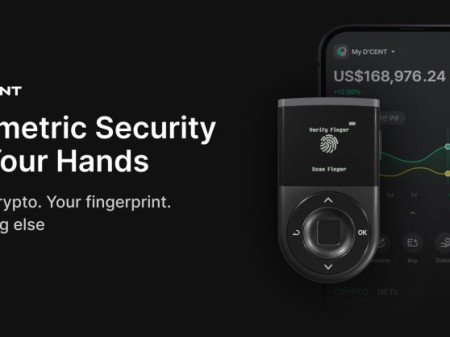
If you want a best crypto hardware wallet with backup, Ledger is one name. A KeepKey hardware wallet or a D’CENT cold storage wallet also follow similar cold ideas. The phrase remains the core. For very large holdings, advanced setups like Shamir or multi-sig reduce single point of failure risk. Ledger Recover is a self-custody solution to securely back up the Secret Recovery Phrase to cloud, allowing you and only you to restore it to a hardware device in future.
CoinGecko compares seed phrases and private keys
Scams That Target Your Seed Phrase
Scammers love seed phrases. Phishing is when a hacker pretends to be support and asks for words. MetaMask support never does that. “Not your keys, not your wallet” is a line worth remembering. They may hit you on Telegram offering help if you send the phrase - don’t fall for it. Phishing is social engineering where a hacker impersonates a trustworthy entity to extract sensitive info.
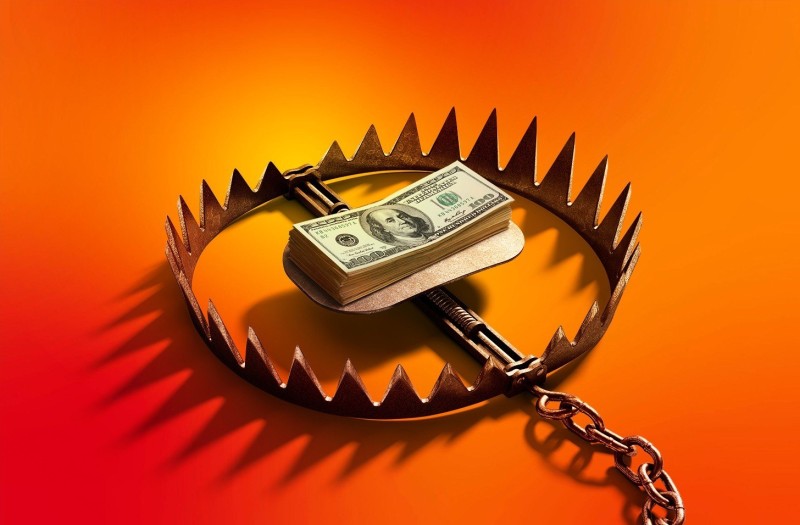
One nasty trick: crooks post phrases in YouTube comments claiming they need help moving USDT. The wallet is actually a multi-sig trap on the TRON network. A greedy person pays a TRX fee but cannot withdraw. The scammers trick thieves into victims - funny in a dark way, but don’t bite. The bait is a multi-sign wallet needing approval from two or more people. Scammers impersonate beginners, turning naive thieves into victims, digital Robin Hoods of sorts.
Be a decent person; don’t try to get into others’ wallets.
General theft is simple. Anyone with the phrase imports the wallet on their device and drains it; no phone needed. So guard the words like cash. Even if you use the Blockchain.com login for a web wallet, the phrase still rules your funds. Learn the latest scams and secure devices with reliable protection. Scammers pose as beginners or trading sharks. Protection means double-checking info from strangers and securing devices with reliable protection.
Common Questions on Seed Phrases
Let me answer a few common asks. What is the difference between seed phrase and private key? The key is single; the phrase generates all keys. Why twelve or twenty-four words? Bits of entropy and quantum talk. What is BIP39? The standard mentioned that defines the word list and process. Can someone steal my crypto with just my seed phrase? Yes - complete, irrevocable control.
Quick FAQ points
- Can someone steal with just the phrase? Yes, full control.
- What if I lose the phrase? No recovery, no forgot password.
- Is a photo safe? No, cloud and malware risk.
- Where safest? Paper or metal offline, redundant, controlled.
Can it be guessed? No, the combinations are enormous. Are password managers okay? Yes, if zero-knowledge. How to avoid scams? Be decent, learn, verify strangers. I think this covers the basics. The phrase is proof of ownership, able to unlock every capability of a crypto wallet. What happens if you lose your seed phrase? If you lose both phrase and active device session, the wallet cannot be recovered. No forgot password; blockchain records assets but no one can sign.
My Take on Self-Custody
I run this blog as one person who cares about clear info. The safest road in crypto is holding your own label. Your seed phrase is the master key you truly own. The device can break; the phrase rebuilds the money. Self-custody means you are the bank; the seed phrase is the charter. The phrase is a backup of your private keys, enabling you to recover your wallet and access funds even if you lose your device.
Whether you pick a secure wallet for crypto app or a cold wallet for cryptocurrency device, the words are the charter. I sleep better with paper and metal copies. You should find a method that fits your life and stick to it. The phrase is a backup of your private keys, enabling you to recover your wallet and access funds even if you lose your device or forget your password. Anyone who has your seed phrase can move your crypto, which is why it must be stored offline and never shared.
Thanks for reading my notes. I hope this helps you understand what is a crypto seed phrase and why it matters. The vault door is yours to lock. Keep the key safe. Anyone who has your seed phrase can move your crypto, which is why it must be stored offline and never shared. Self-custody means you are the bank; the seed phrase is the charter.

Comments on “The Safest Road in Crypto Is Holding the Label: What Is a Crypto Seed Phrase and Why It Matters”
No comments yet. Be the first to share your thoughts.