

What Crypto Credit Cards Actually Are
A crypto credit card lets you spend like any other card but earn cryptocurrency instead of cash back. I keep coming back to this simple idea: you use dollars, euros, or pounds at the store, and the issuer handles the crypto side. The merchant gets traditional currency every time. You get digital assets that can sit in your wallet, get traded, or be held for later.
The term covers more than one thing. It can mean a regular credit card that pays rewards in crypto, a credit line secured by crypto you already own, or a debit card that converts crypto to fiat at the point of sale. Some people compare it to using a normal card to buy crypto, but that is the reverse of how rewards cards work.
A crypto payment card is just another way to say the same thing. The key question is which type you are actually getting, because the mechanism changes everything about risk, fees, and taxes.
If you have looked into this space at all, you have probably seen dozens of options promising high returns. I want to cut through that noise and focus on what these cards actually do, how they differ from regular cards, and what you should watch out for before applying.
"At first glance, crypto cards might look like any other card, but behind the scenes is a whole different mechanism of work." - Nexo

The Three Main Types
Let me break this down plain. There are three main ways these cards work, and mixing them up is an easy mistake to make.
Types of crypto cards
- Conventional rewards cards - you get a credit line, spend fiat, repay monthly, and earn crypto or cashback rewards
- Crypto-backed cards - you lock crypto as collateral, get a borrowing limit, and repay to release your assets
- Crypto debit cards - you fund from a wallet or exchange, and the provider converts crypto to fiat at purchase
A how do i invest in crypto currency question often comes up here. The answer is that a rewards card lets you accumulate crypto through spending, but it is not the same as buying directly on an exchange. You are earning small amounts over time, not making a single purchase at a set price.
A 2022 estimate put crypto-rewards card ownership in the United States at 5% of American adults, or approximately 13 million people. That is a meaningful slice of the market, and the product mix has shifted since then toward more regulated offerings and fewer of the unsustainable high-rate promotions that characterized the early days.
Five Crypto Cards Ranked for Real-World Spending
How Rewards Work in Practice
With a conventional crypto rewards card, the issuer approves a credit line and gives you a physical or virtual card. You spend fiat with a merchant who gets paid in traditional currency. You repay the balance under normal terms. Then the issuer rewards a percentage of eligible purchases in crypto or cashback.
Some products credit BTC, ETH, SOL, CRO, NEXO tokens, or other assets after each purchase. Others pay in fiat and let you choose when to convert. A flat-rate program gives the same percentage on most purchases. A category-based card pays more on dining, groceries, travel, gas, EV charging, or transit.
I find the staking-based programs worth a hard look, but with caution. Staking can double a reward or push you into higher tiers, but it also locks your tokens. You need a minimum balance and a commitment to keep funds staked. Some programs let you pick among several reward assets. Others restrict you to one token like BTC or CRO.
A investing into cryptocurrency through rewards means you are accumulating small amounts over time. The risk is that the token can drop in value after you earn it. A stated 2% reward can lose ground if the market moves against you, and fees can eat into what looks like a strong rate on paper.
Cards from highly regulated exchanges like Coinbase and Gemini tend to be among the more reliable options, depending on issuer reputation, regulatory history, security controls, and custody arrangements.
Crypto-Backed Cards and Collateral
A crypto-backed card works more like a secured loan. You deposit crypto into the provider's account. It stays owned by you but gets locked as collateral - not sold when you make a purchase. The provider sets a borrowing limit based on the collateral value and a loan-to-value ratio.
How crypto-backed credit works
- Register with a platform that offers a crypto-backed card
- Deposit crypto already owned or buy through the platform
- The crypto becomes collateral and gets locked
- Provider sets a borrowing limit using LTV ratio
- Use virtual card online, physical card in-store, or Apple Pay/Google Pay
- Merchant receives fiat currency
- Repay with fiat, crypto, or stablecoins
- Provider releases collateral once balance and interest are settled
Nexo describes this model clearly. A customer can borrow against digital assets, spend dollars or euros, and keep the underlying Bitcoin or Ethereum in place. Interest starts at 1.9% annually for Platinum-tier clients in Credit Mode. Actual rates vary by loyalty tier, LTV, region, and asset.
The loan-to-value ratio compares what you borrow to the collateral value. If you hold $100,000 in Bitcoin and get a 50% LTV, you can borrow up to $50,000. The remaining $50,000 acts as a buffer. If Bitcoin falls 30%, your holding drops to about $70,000 and the loan becomes roughly 71.4% LTV. Platforms often use thresholds around 80% to 85%.
Nexo states that it does not normally use a fixed repayment schedule or minimum payment. Customers can choose when and how to repay. Interest is charged only on the amount borrowed, not on the full available credit line.
Debit Cards and Spending

A crypto debit card is prefunded from a wallet or exchange. When you buy something, the provider calculates the crypto needed, converts it to fiat, and pays the merchant. You are spending balance already held, not borrowing against a credit line.
Most debit cards run on Visa or Mastercard and work much like conventional debit cards. They often support mobile wallets and ATM withdrawals. They show up in crypto card comparisons even though they are not credit products.
A buy cryptocurrency with debit card route is the reverse - you use a regular card to fund a crypto purchase on an exchange. This gives a quick on-ramp but can carry higher fees, issuer restrictions, or extra compliance checks.
OwlPay Wallet Pro announced credit-card on-ramp support in mid-2025. Its overview described credit cards as one of the fastest and most straightforward ways to purchase cryptocurrency. The process can avoid waiting for a bank transfer and may allow near-instant purchases. It supports Stellar, Ethereum, Polygon, Avalanche, Arbitrum, and Optimism blockchains. Anyone with a valid credit card and valid identification may purchase supported crypto assets, and transactions can be conducted 24 hours a day.
The basic debit-card flow is straightforward. You fund a linked crypto wallet or exchange account. A purchase gets made. The provider calculates the crypto amount, converts to the merchant's preferred fiat, delivers the fiat, and reduces your wallet balance. In a coffee-shop example, a Bitcoin debit card gets processed by taking the dollar equivalent, converting to dollars, and paying the shop. The merchant never needs to accept Bitcoin directly.
Most merchants do not take crypto directly because of exchange-rate volatility, uncertain processing rules, limited public understanding of blockchain, and legal concerns. Debit cards handle the conversion before payment reaches the merchant.
Crypto.com Visa Card Review and Tier Breakdown
Major U.S. Cards Compared
Let me walk through the main U.S. options so you can see the differences. I am not endorsing any single product - just laying out what each one does.
Gemini MastercardGemini launched its Mastercard rewards card in 2022 with WebBank. Rewards go to a Gemini trading account with more than 50 eligible cryptocurrencies including BTC, ETH, and SOL. Rates: 4% on gas, transit, and EV charging capped at $300 monthly, 3% on dining, 2% on groceries, 1% on everything else. No annual fee, no foreign-transaction fee, no reward receipt fee. Available in all 50 states. A Solana Edition came with up to 4% SOL rewards and automatic staking at 6.77% APY. The metal card included five free authorized users and Mastercard World Elite benefits such as Instacart credits, purchase protection, and travel insurance.
Coinbase One American ExpressThis is an Amex card for Coinbase One subscribers only. Rewards are BTC-only based on total assets on Coinbase. Rates go from 2% below $10,000 up to 4% above $200,000. No purchase-category restrictions. Subscription fees range from $49.99 yearly to $299.99 monthly for Premium tiers. Membership includes 4.5% APY on first $10,000 in USDC, zero trading fees up to $500 monthly, and $10/month in Base network gas credits. The metal card reportedly carries the Bitcoin Genesis Block inscription from January 3, 2009.
Crypto.com Visa SignatureThis credit line rewards in CRO with rates tied to staking or subscription. Entry is 1.5% with no minimum. 3.5% with $500 CRO staked or $4.99 monthly. 4.5% with $5,000 staked or $29.99 monthly. 5% with $50,000 staked. 6% with $500,000 staked. Available in 49 states minus New York. The prepaid debit card side reaches up to 8% for Prime with $1 million staked, but with monthly caps at $25 to $50. Some tiers include streaming-service rebates, travel benefits, and VIP access.
Venmo VisaThe Venmo Visa, issued by Synchrony Bank, is technically a cashback card rather than a direct crypto-rewards credit card. It tracks spending categories and assigns higher cashback rates to your most-used categories. Rewards can be 1%, 2%, or 3%, with the highest rate applying to top-spend categories. Users can automatically use monthly earnings to purchase BTC, ETH, LTC, or BCH without a transaction fee, or retain rewards as fiat cashback. A venmo cryptocurrency option gives casual users access to a small number of major coins and an easy way to switch between cashback and crypto. No annual fee, no foreign-transaction fee, no gas fee.
A Nexo social post described the Dual Mode Nexo Card as breaking down crypto debit and credit payments in a single product.
Fees, Rates, and Hidden Costs
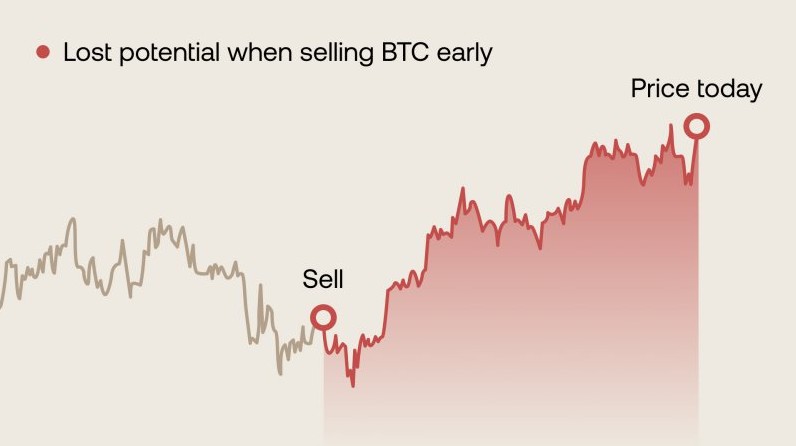
This is where people get surprised. The headline reward rate looks great until you dig into the actual costs.
Common fees to watch for
- Crypto-to-fiat conversion fees
- Liquidation or network fees
- Deposit fees
- ATM withdrawal fees
- Foreign-exchange fees
- Inactivity fees
- Issuance fees
- Card account or subscription fees
Coinbase's debit card charges a 2.49% crypto liquidation fee when spending non-stablecoin crypto. That can exceed the cashback you earn. A non-stablecoin purchase with an international transaction fee can hit 5.49% total. BitPay charges a 3% foreign-exchange fee. Nexo has roughly a 0.75% conversion spread. Plutus Starter has a 1.75% conversion fee while Premium is 0%. Bybit charges a 0.9% crypto-conversion fee.
A crypto bag policy matters here because if you hold the reward token, you face price volatility between earning and spending. The fee structure can erode rewards faster than most people expect. A 4% reward can be overwhelmed by a 5.49% Coinbase debit-card conversion and international cost.
The 2021 overview said many cards did not charge deposit fees but did charge withdrawal fees. Foreign-exchange fees were uncommon then. Newer product details show conversion and liquidation costs can be significant on some cards now.
Risks You Should Know
Crypto credit cards carry risks that regular cards do not. I want to be straight about this because the rewards can look tempting.
Key risks to understand
- Crypto price volatility - rewards can rise or fall after issuance. A 2% reward can lose value if the token drops
- Collateral and liquidation risk - if collateral falls, LTV rises. You may need to add more collateral or repay part of the loan
- Interest and revolving debt - conventional cards must be repaid under normal terms. Crypto-backed lines can accrue interest or variable fees
- Tax implications - rewards may be treated as income when earned. Later exchanges or sales can create capital gains or losses
- Custody and provider risk - collateralized cards leave crypto with the provider's custodian. If the platform freezes funds or becomes insolvent, recovery options may be limited
- Hacks and lost keys - wallets and exchange accounts are targets for phishing, credential theft, and social engineering
- Limited consumer protection - crypto is not uniformly treated as legal tender. Card issuers may not provide chargeback or fraud protections like fiat deposits
- Changing laws and availability - regulation varies by country and changes over time. Products can become unavailable after licensing or enforcement changes
- Reward-token concentration - a card paying 6% in CRO gives exposure to that asset. If you do not want to hold the token, this may not suit you
- Foreign-exchange and conversion costs - a 4% reward can be overwhelmed by a 5.49% conversion and international fee
The BlockFi shutdown is a case study in provider risk. The company filed for Chapter 11 on November 28, 2022, after exposure to the FTX collapse. $355 million froze on FTX and $680 million in defaulted loans to Alameda Research. BlockFi also held customer funds at Silicon Valley Bank, which failed. BlockFi emerged from bankruptcy in October 2023 to wind down operations. The card's former 1.5% to 2% cashback and $100 Bitcoin sign-up bonus are no longer available.
The Binance Card closed in Europe on December 20, 2023, and stopped in several Gulf countries after regulatory pressure. A relaunch in Brazil came later, but the pattern shows how geographic availability can disappear overnight. The Upgrade Bitcoin Rewards Visa shut down in 2023. SoFi eliminated crypto redemption in early 2023. Brex stopped crypto redemption on August 31, 2024.
Taxes and Record Keeping
Tax treatment varies by card type and jurisdiction, and this is one area where I strongly suggest you get proper advice rather than guessing.
Tax treatment by card type
- Crypto debit cards - spending is treated as a disposal. If crypto value increased, the difference may be a capital gain. If it declined, the loss may offset eligible gains through tax-loss harvesting
- Crypto rewards cards - rewards may be income when received. Converting or disposing of rewards can create a separate capital-gains event
- Crypto-backed credit loans - Nexo describes these as borrowing, not selling, which may avoid a taxable disposal in some jurisdictions
The IRS requires detailed cost-basis information for crypto disposals. Small card rewards get overlooked easily. You should keep records of the reward token, acquisition date, fair market value at receipt, subsequent price changes, conversion history, fees, and disposal dates. Wallet and exchange-account records can be linked through tools like CoinTracker's Portfolio Tracker to label transactions, categorize obligations, monitor holdings, and generate tax forms - though this is not tax advice.
A cryptocurrency sell and buy pattern creates different tax events than holding rewards. If you earn crypto rewards and then trade them for another token, you may face two separate taxable moments - one when earned, one when disposed.
CoinTracker states that the IRS requires detailed cost-basis information for crypto disposals. The 2021 debit-card tax discussion separately stated that U.S. tax rules treat cryptocurrency as property and that converting crypto into fiat can create a taxable gain or loss.
What to Check Before Applying
Before you apply, I would check these factors in order of what matters to your situation.
Checklist before applying
- Card type - rewards credit, crypto-backed loan, or debit conversion? Each has different risk profiles
- Eligibility and location - confirm service in your country, state, or territory. Check age, identity, credit, subscription, or minimum-balance requirements
- Reward asset and rate - base rate, category rates, spending caps, monthly caps, instant or delayed rewards, choice of asset, staking requirements
- Fees - annual, subscription, monthly, foreign-transaction, conversion, ATM, inactivity, issuance, network, interest, late-payment, promotional
- Collateral and LTV - for backed cards, compare maximum LTV, asset-specific ratios, liquidation thresholds, minimum balance, supported collateral
- Interest and repayment - base and variable rates, schedules, minimum payments, fiat/crypto/stablecoin repayment options
- Security and custody - regulatory status, custodian, audits, SOC certifications, two-factor auth, withdrawal controls, insurance, cold storage
- Tax impact - whether rewards are ordinary income, cost-basis events, and whether conversion is taxable
- Payment acceptance - Visa or Mastercard, international use, foreign transaction fees, Apple Pay/Google Pay
- Spending controls - per-transaction, daily, monthly, annual limits, physical card availability
Cards associated with regulated exchanges like Coinbase and Gemini were described as tending to be more reliable. But "more reliable" does not mean risk-free. You still need to understand the custody arrangements and what happens if the platform runs into trouble.
A easy way to buy crypto is not the same as getting a rewards card. If you are looking for a simple on-ramp, a credit card used to purchase crypto on an exchange can work, but it may involve higher fees, issuer restrictions, or additional compliance requirements. OwlPay Wallet Pro supports wire and cash on-ramp options if you have no credit card or if your card issuer prohibits cryptocurrency transactions.
Gemini vs Coinbase Crypto Credit Card Comparison
The Market and Where It's Headed
The crypto-card market has shifted since the 2022 and 2023 crypto winter. Fewer but stronger providers survived. Reward programs moved away from unsustainable 8% plus rates toward more durable 1% to 4% ranges.
The market was estimated at $10.1 billion in 2023 and projected to reach $27.7 billion by 2031, with a compound annual growth rate of 13.7%. The product mix changed in several ways: debit cards increasingly became credit products, subscription models supplemented staking, regulated exchanges became more prominent issuers, and major payment networks partnered with crypto companies.
Europe's MiCA framework reached full compliance in late 2024. The comparison cited 80% user trust in regulated platforms and a 47% increase in registered virtual-asset service providers. In the U.S., the GENIUS Act and Digital Asset Market Clarity Act were described as passing in mid-2025. The UK published a Crypto Roadmap in November 2024 with final rules expected by 2026. The SEC was described as closing investigations into major exchanges in early 2025 and shifting toward guidance.
Payment-network partnerships signal institutional acceptance. American Express partnered with Coinbase, Gemini uses Mastercard World Elite, Crypto.com uses Visa Signature, and Bybit, Wirex, Nexo, and BitPay use major card networks.
Consumer attitudes shifted after the FTX collapse. The comparison reported 40% of historical crypto complaints involved fraud and 16% involved frozen assets. A 2024 survey showed 63% of crypto owners wanted increased exposure. Isabella Flores described crypto credit cards as a "once white-hot trend" that had "started to fizzle."
The market is separating into three groups: large exchange-linked providers like Crypto.com, Coinbase, and Gemini; regional or specialized providers like Bybit, Nexo, and Wirex; and DeFi and blockchain-community products like ether.fi, KAST, and MetaMask. Non-custodial and DeFi-integrated products are emerging as an alternative to exchange custody. MetaMask Card was described as a 2025 product built around non-custodial control under the phrase "your keys, your crypto, your card." Ether.fi Cash Card was cited as having more than $10 million in daily transaction volume.
A yahoo cryptocurrency search will surface plenty of opinion, but the underlying shift is toward regulation, stablecoin adoption, Bitcoin ETF adoption, institutional participation, and conventional banks launching their own rewards products. Continuing risks are crypto market downturns, regulatory intervention, cybersecurity incidents, provider failures, and changing loyalty programs.
One overview described Gemini as "a fee-free, straightforward option for users of all skill levels" with no staking or subscription requirement.
How Different Users Should Think About This
Different situations call for different approaches. Let me lay out some common patterns I have seen in the comparison data.
User profiles and card fits
- Maximum rewards potential - For European customers, the Bybit Card reaches 8% to 10% cashback through spending tiers without token staking. For U.S. customers willing to stake substantial CRO, Crypto.com prepaid tiers reach 5% to 8%
- Realistic middle ground - Gemini in the U.S. and Plutus in Europe offer more practical options for typical customers. Gemini gives 3% to 4% in strong categories without staking. Plutus combines PLU rewards with recurring merchant rebates
- Lowest fees and simplest structure - Gemini is the simplest rewards credit card with no annual fee, no foreign-transaction fee, no staking, no subscription. BitPay is the simplest debit card with no rewards program, token tier, or subscription
- International spending - Wirex has the broadest geographic footprint at 37-plus countries with 26 fiat currencies and no foreign-transaction fees. Nexo offers €20,000 of monthly FX transactions free before a 0.5% fee
- Beginner-oriented options - Gemini requires no CRO or WXT purchases, no staking, no subscription management. The Coinbase Visa Debit Card is accessible without a credit check for Coinbase users funding with USDC
- High-volume spending - Bybit's reward rate increases with monthly spending, making it clear for high-volume European customers. Gemini's 4% category is capped at $300 per month
A cashapp to crypto approach is different from using a crypto card. If you are already holding crypto and want to spend it, a debit card makes more sense. If you want to accumulate crypto through normal spending without liquidating an existing position, a rewards card or collateralized credit line may fit better.
A conventional debit card can often replace a crypto debit card for daily use, especially when the goal is rewards rather than direct crypto spending. A crypto debit card is more relevant when the customer wants to use an existing crypto balance, accept the conversion process, or use non-fiat assets as a funding source.
Getting the Basics Right
Before you do anything, get the fundamentals straight. This is not glamorous advice, but it matters more than chasing the highest reward rate.
Basic checks every user should do
- Confirm the card type - rewards credit, collateralized loan, or debit conversion
- Check availability in your jurisdiction - not all cards operate in all countries or states
- Understand the reward asset - do you want BTC, ETH, SOL, or a platform token like CRO or NEXO
- Read the fee schedule - conversion fees, ATM fees, foreign-exchange fees, inactivity fees
- Review the collateral terms - LTV ratio, liquidation threshold, minimum balance for backed cards
- Check tax implications - rewards as income, disposals as capital gains, borrowing as non-taxable event
- Verify security practices - SOC certifications, custody arrangements, two-factor authentication
- Confirm payment network - Visa or Mastercard acceptance, Apple Pay and Google Pay support
The Nexo article captured the distinction well: behind the familiar card surface is a different mechanism of work. Whether you are borrowing against collateral, converting crypto at the register, or earning rewards on purchases, the tax treatment, fee structure, and risk profile vary by product type.
One more thing I want to flag: reward-token concentration is a real concern. A card paying 6% in CRO, 4% in NEXO tokens, or BTC gives you exposure to that particular asset. The reward may be less suitable if you do not want to hold the token or if the issuer changes its program. The market has experienced frequent changes to benefits - Crypto.com removed several rebates and changed access for legacy cardholders. Other providers have monthly caps. A high percentage is not necessarily the highest dollar return if the cap is low.
Credit checks and reporting also vary. Ordinary rewards credit cards generally use traditional underwriting and may affect credit standing. Fully collateralized crypto cards may not run conventional credit checks. Reporting practices vary by provider and jurisdiction, so customers should verify how a card's borrowing is reported.
Custody remains central even when payment is secure. Standard Visa or Mastercard payment processing does not guarantee that a crypto exchange, custodian, or wallet provider is safe. Regulation, audits, asset segregation, withdrawal controls, two-factor authentication, and account monitoring remain separate requirements.
Bottom Line
Crypto credit cards can be a useful tool for people who want to spend like everyone else while accumulating digital assets or accessing fiat against their crypto holdings. The market has matured from the speculative, high-rate promotions of a few years ago toward more durable products with clearer fee structures and stronger regulatory footing.
But maturity does not mean safety. You are still dealing with volatile assets, provider risk, tax complexity, and a regulatory landscape that is still forming in many jurisdictions. The cards that survived the 2022-2023 winter tend to be from established exchanges with clearer custody arrangements, but that does not eliminate risk.
For me, the deciding factor is always the same: do I understand the mechanism, the fees, and the tax consequences before I swipe? If the answer is no, I wait. If the answer is yes, I still monitor my exposure and keep records. Crypto rewards can be a nice supplement to spending, but they should not be the reason you take on risk you do not understand.
Isabella Flores characterized crypto credit cards as a "once white-hot trend" that had "started to fizzle" - and the market data since then supports that view of consolidation and pragmatism over hype.




Comments on “What You Should Know About Crypto Credit Cards Before You Apply”
No comments yet. Be the first to share your thoughts.