
What a Crypto Wallet Really Is
I like to keep things simple. A crypto wallet is just an app, a software program, or a physical device that stores a secret phrase and private keys. It gives you a way to use those keys to make transactions on a blockchain. It does not really store coins or tokens. Crypto has no physical form. It lives as ledger entries on the chain.
The cryptocurrency wallets we use today hold the seed phrase and its private keys that match your assets. If you lose access with no way to get it back, your crypto still sits on the blockchain but you can't use it. The keys are gone. That's why I say the wallet is the key, not the money.
A bitcoin does not really exist; it is merely a ledger entry on the Bitcoin blockchain.
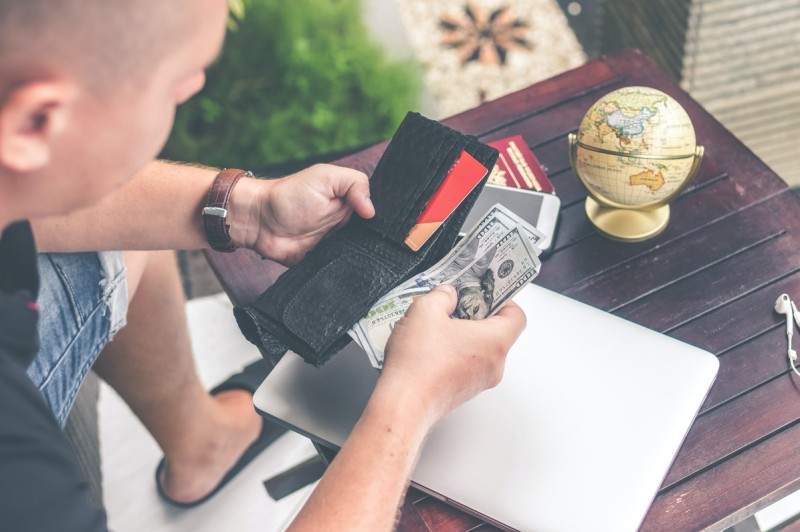
When someone wants to send you coins, you give them your wallet address. That address works like a bank account number, only open by design. Someone with just that address can't steal your money. No two addresses are the same. You can make as many as you want. The twist is that wallet addresses are public. You can look at a block explorer and see the balance and history, but you won't easily see who owns it.
Why I Call It a Keychain Not a Safe
The title of this post says a wallet is your keychain, not your safe. I mean that in the plainest sense. A safe holds the valuables. A keychain holds the keys to get them. Your easy to use crypto wallet is the thing that keeps the keys close so you can open the door to your funds on the chain.
Think of the blockchain as the safe. It records all transactions. Your wallet generates the public and private keys. Without it, you can't touch your funds. So the right easy to use crypto wallet should feel light, handy, and quick, like a keychain you carry every day, not a heavy box you never open.
More than 75 million crypto wallets have been made for people around the world. Most are easy to access across devices. They suit frequent transactions or active trading. Many are free or low cost to set up. That's good news for normal humans, the ones who simply want a keychain, not a cryptography degree.
Crypto wallet basics, setup, and hardware options
Hot Wallets and Cold Wallets
When we talk wallets, we usually mean two main types. Hot and cold. A hot wallet crypto is any wallet that can connect to the internet. These are software based, like browser extensions or phone apps. They are the first pick for new users because they are friendly and fast, the digital equivalent of a keychain left in the ignition.
Quick view of hot and cold
- Hot wallets stay connected and are easy for daily use
- Cold wallets stay offline and are less exposed to online threats
- Hot wallets face more risk from malware and phishing
- Cold wallets sign transactions offline on a device
Cold wallets are not connected to the internet. Since they stay offline, they are less likely to meet malware or phishing attacks. They make keys offline. This keeps unwanted approvals away. I think a cold wallet is one of the best ways to store crypto for the long haul, the safe in the basement rather than the keychain in your pocket.
Keeping large amounts in hot wallets is seen as poor security practice.
A hot wallet can be custodial, like an account on an exchange, or non-custodial, like a mobile app. The advice I follow is to only keep a small amount for daily use in a hot one. The bulk stays cold. It’s the Santa Rally of convenience: the warmth of access hides the vulnerability of exposure.
Custodial Versus Non-Custodial
Here is a big one. A custodial wallet means a third party holds your private keys. That could be an exchange, a broker, or a crypto bank. You trust them. It's like a bank account. But remember the old line: if you don't hold the seed phrase, you don't ultimately own the assets. The label from inside the jar reads 'trust', but the reality is dependence.
A non-custodial wallet is one where you control the seed phrase. You and only you can access your funds. Nobody else can freeze or seize them. That is real self custody. Examples include MetaMask, Trust Wallet, Ledger, and Trezor. I lean to non-custodial for peace of mind, the keychain in your hand.
If you don't hold the seed phrase to your crypto assets, you don't ultimately own them.
Some custodial wallets are Coinbase, Binance, Gemini, BitGo. They have their place, especially for quick buying. But for an easy to use crypto wallet that keeps you in charge, I look at the non-custodial side first.
Kinds of Crypto Wallets You Can Pick
You will see many versions of these tools. There are mobile, web, browser, desktop, hardware, paper, and brain wallets. Software wallets are easy to install on a computer and usually free with a simple interface. The best software wallet for crypto for a beginner is often just a phone app or browser add on, the keychain you already carry.
Common wallet forms
- Mobile wallets downloaded as apps for quick pay
- Web wallets accessed through a page without extra software
- Browser wallets as plugins like MetaMask or Rabby
- Desktop wallets installed on a computer, often non custodial
- Hardware wallets as USB like devices for offline keys
- Paper wallets with keys printed or written on paper
- Brain wallets where you memorize the seed phrase
A wallet app for crypto on your phone can scan a QR code to pay for coffee. That's a small everyday win, the kind of frictionless moment that brings crypto out of the lab and into the cafe. Hardware wallets are pricier and not handy for daily buys, but they are safe for big savings. Paper and brain wallets are low tech but easy to lose or forget, like a keychain made of smoke.
If you use an iPhone, the best crypto wallet app for iphone might be a mobile wallet like Trust Wallet or Edge. Many lists of the top 10 wallet crypto options put those near the top. I just want one that feels clear and lets me control my keys.
Beginner wallet guide covering seed phrases and DEX
Hardware Wallets Up Close
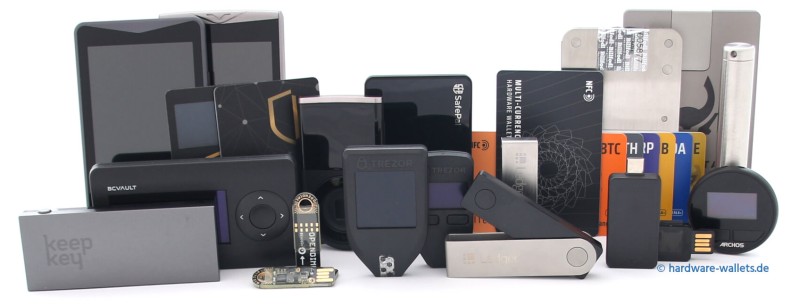
A hardware wallet is a physical device with a small chip, a couple buttons, and maybe a screen. It stores your private keys offline. It does not hold coins. It holds the keys to access chain assets. Most like Trezor and Ledger work with many blockchains at once, so you can manage various coins from one device, a single keychain for many doors.
Hardware wallet pros and cons
- Full control as it is non custodial
- Keys stay offline and away from malware
- Can handle many accounts and chains
- Costs money up front and setup is not simple
- Not convenient for daily transactions
The terms hardware wallet and cold wallet are not the same. A hardware wallet can act as a cold wallet, but once it connects to a blockchain app, that account is no longer cold. Signing any approval can lower its safety. So I keep my hardware device for storage, not for coffee runs. It’s the safe, not the keychain.
When you use one, the private keys never leave the device. You connect it to a phone or laptop, see the transaction details, approve on the device itself, and it signs offline. That two step confirm is a strong shield against remote hackers, a physical ritual that breaks the spell of the phishing link.
Features of an Easy to Use Crypto Wallet
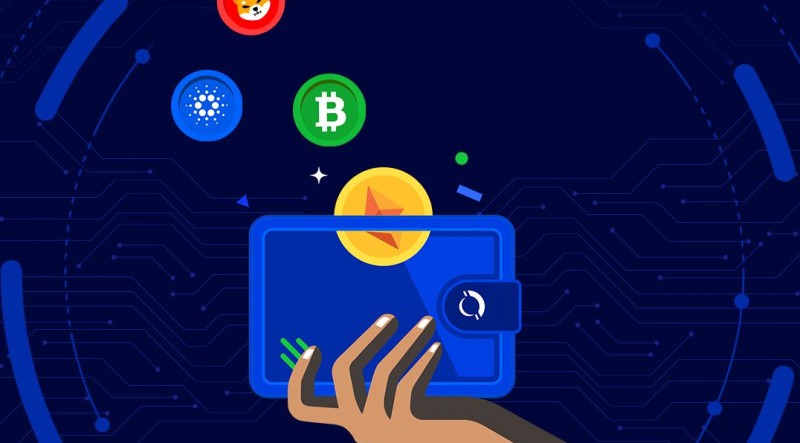
What makes an easy to use crypto wallet worth your time? It goes beyond storage. You want cross chain swaps, gasless trades, simple web3 access, and solid security. These are not extras anymore. They are needed for a smooth ride, the difference between a keychain that opens one lock and one that opens the whole city.
Key features I look for
- Swap across chains without bridges
- Gasless swaps so you avoid fee headaches
- Buy crypto with fiat money directly in app
- Save frequent transactions as templates
- Scam protection with real time checks
- Web3 access to connect with dapps
- Payment requests via link or QR code
A secure wallet for crypto should also let you recover with a seed phrase and have an intuitive interface. The most reliable crypto app will support many coins and link with DeFi if you want that. For folks in the states, the top crypto wallets in usa often include self custody options with fiat ramps.
I also like when a wallet gives me a free crypto wallet address I can share without stress. That address is my public face on the chain. Anyone can send to it, but they can't move my money with just that.
Setting Up Your Wallet the Safe Way
After you pick a wallet, safety starts at creation. You will be asked to save a seed phrase of 12 or 24 words. This is the master key. Best practice is to write it on paper, not on any device connected to the internet. Never share it. If you lose it, you lose access. It’s the ultimate F.O.T.O. dilemma: fear of throwing out, but here the fear is of losing the one scrap that matters.
Steps in a hardware transaction
- Connect hardware wallet to phone or laptop
- Start the transaction in the interface
- Check the details shown on the device
- Approve sign on the companion app
- Confirm on the device itself for two factor
- Device signs offline with its private key
- Signed transaction goes back to the phone
- Phone sends it to the blockchain without keys
At no point do user's private keys leave the hardware wallet.
For any wallet, turn on two factor authentication with an app, not text. Use biometrics if you can. For hardware, always press the physical button to confirm. When sending, check the recipient address on the device screen. That small habit saves you from big mistakes, the kind that compound quietly until they collapse loudly.
Buying Crypto and Sending It Over
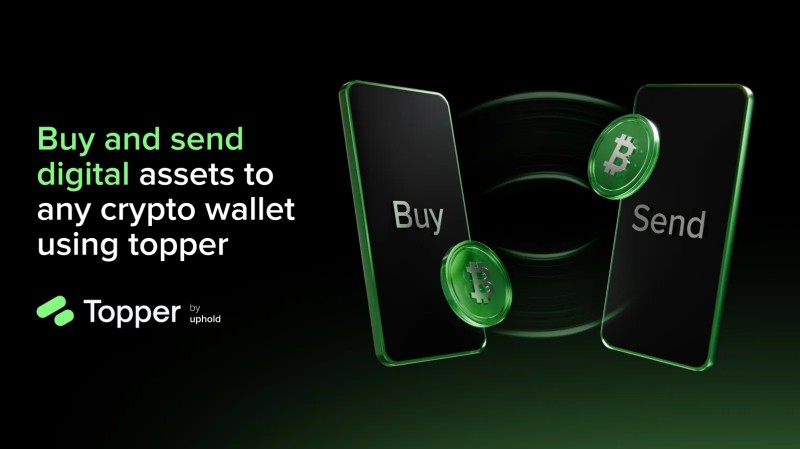
To buy crypto, you link a fiat account like a bank, card, or PayPal. Rules vary by region, and you will do a KYC step to prove identity on compliant apps. It takes minutes. Then you pick a token, enter amount, review quote, and click buy. The curve from curiosity to ownership has collapsed from months to minutes.
Some services like Topper make it easy to send crypto straight to your wallet. You choose the coin, paste your wallet address, pick payment, and submit. The coins arrive in about a minute. First time users do a quick address check. This is a fine way to fill your easy to use crypto wallet without juggling many exchanges, the diffusion of adoption at digital speed.
Nash and 1inch also support fiat on ramps. The point is to get coins into your own wallet fast. Once they are there, you control them. That's the whole idea of self custody, the keychain in your pocket rather than the safe deposit box at someone else's bank.
Everyday Payments With a Wallet
Crypto wallets are tools to help you use the chain for daily stuff. An easy to use crypto wallet is great for frequent transactions or active trading. Mobile wallets let you scan a code to pay for a cup of coffee. Payment request links make it simple to ask for money from a friend. The puzzle of payments outgrows the table of legacy rails.
Over 800 million people around the world use crypto. That number shows these wallets are not just for geeks. They are becoming normal payment tools. The openness of blockchain means anyone can verify a transaction, but your name stays private, a shishi-odoshi of transparency without identity.
I care about keeping these payments safe. Over three billion dollars in crypto has been stolen through phishing and hacking. That is a loud signal to pick a wallet with scam checks and offline signing where you can. The gray rhino of theft charges while we enjoy the rally.
Wallet fundamentals with Tangem, Ledger, and Uphold
A Simple Setup I Recommend
When you choose, ask two questions. Will I use online hot or offline cold? Will I use a third party custodial or non custodial? For larger sums, cold is a must. Hot should only hold what you are okay spending today, the keychain carries pocket change, the safe holds the savings.
A convenient safe setup
- Buy a hardware wallet and backup the seed phrase
- Store the bulk of funds on that cold device
- Get a mobile wallet like Bridge for daily use
- Use both with dapps but check the URL first
This mix gives you a keychain for the day and a safe for the rest. It fits the idea of an easy to use crypto wallet that does not sacrifice control. Beginners can start with a mobile or web software wallet with small amounts, then add hardware later, the way we add pieces to a jigsaw as the picture grows.
Some Wallet Providers I Looked At
There are many named wallets in the space. 1inch Wallet is feature rich with cross chain and gasless swaps. Tangem sells hardware and non custodial software, supports BTC, ETH, SOL, XRP, USDT. Nash Wallet is self custody with fiat ramp and IBAN. Busha focuses on Nigeria with software and mobile options. The market rhymes: new entrants, same keychain logic.
Providers from the source
- Ledger and Trezor as USB like hardware wallets
- MetaMask and Rabby as browser wallets
- Trust Wallet and Edge as mobile wallets
- Topper as an onramp not a wallet itself
- Paper and brain wallets as low tech choices
I don't push one brand. I just want you to see the range. The right easy to use crypto wallet for you depends on your phone, your country, and how often you trade. Test a small amount first, because the cost of a wrong turn is a lesson you don’t want to learn from an empty balance.
Nonprofits and Crypto Donations
A side note that shows everyday use: nonprofits can accept crypto donations. Roughly 65 million Americans own crypto. Groups that take it get larger gifts, often averaging over ten thousand dollars, compared to about one hundred twenty for cash online. The share of top charities accepting crypto has grown a lot in recent years. The puzzle of giving outgrows the old envelope.
Checklist for nonprofits
- Get a crypto wallet to receive public key donations
- Use a donation tool like Infinite Giving to auto convert
- Update gift policy for quick liquidation and tax receipts
- Teach staff and donors with simple resources
- Plan marketing to reach new high value givers
They should convert donated crypto to cash fast to avoid price swings. A custodial exchange wallet like Coinbase or Gemini makes conversion easy. Fees vary, some platforms take around half a percent. This is just another way an easy to use crypto wallet meets real world needs, the keychain unlocking generosity.
Picking the Right Easy to Use Crypto Wallet
To close my thoughts, I say start with the basics. Do you want to hold the keys? Then pick non custodial. Do you trade daily? A hot mobile app is fine for small sums. Do you save long term? Get a hardware device. The easy to use crypto wallet you choose should match your life, not some tech manual written for the lab.
The crypto wallet landscape includes hundreds of apps; as wallets improve, crypto assets will be used by billions.
I hope this plain walk through helps you see a wallet as a keychain. Carry it daily, guard the keys, and use the chain with less fear. The tools have gotten simple enough for any of us to start, the jar is finally readable from the outside.
Comments on “How to Choose an Easy to Use Crypto Wallet for Everyday Transactions: A Keychain for the Blockchain Era”
No comments yet. Be the first to share your thoughts.