

Is Crypto FDIC Insured? The Short Answer
TL;DR: Is crypto fdic insured? The short answer is no. Digital tokens receive no backup from any government agency. If a platform fails, you could lose everything. This blind spot matters more than most realise. The source puts it plain: investments in digital tokens are not protected or regulated by any kind of government body. Crypto is a volatile investment, and there is nothing to fall back on when the price craters. That is a hard truth many new buyers miss.
There is a moment when the realisation lands: we trust banks because the FDIC steps in after the music stops. Crypto is a different poem. The source says digital tokens are not protected or regulated by any kind of government body. That means no fall back when the price craters. At a regular bank, cash is safe up to a limit. With crypto, you are on your own. That is not a small detail; it changes the posture you must adopt toward your money.
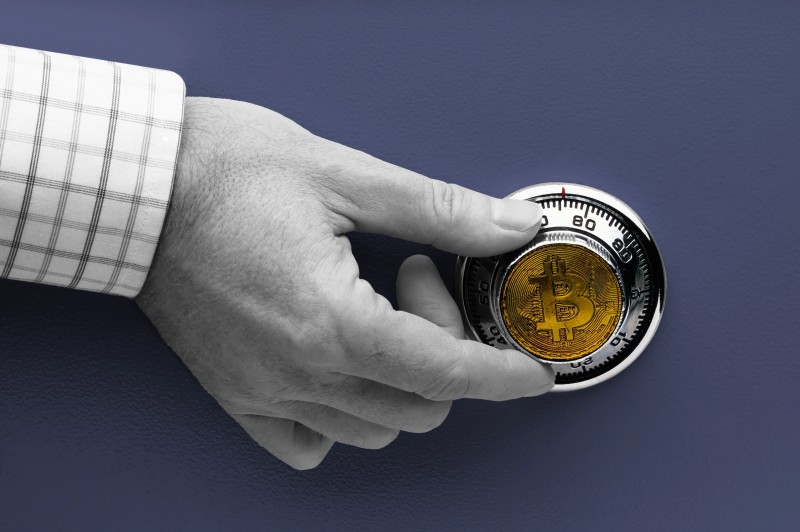
Let me be plain. Your cryptocurrency cover question holdings sit outside the safety net. Bank savings accounts get government-backed insurance up to $250,000 in the US or €100,000 in the EU. Crypto savings accounts do not. That is a gaping hole. If the platform goes bankrupt or is hacked, you might lose everything. The FDIC itself recommends reviewing what is covered before making investments. Being informed is a vital step in securing your financial future, as they say.
What FDIC Insurance Actually Covers
The FDIC stands for Federal Deposit Insurance Corporation. It insures only certain types of deposits. Those include money in checking accounts, savings accounts, money market deposit accounts, certificates of deposit and a few others. It does not insure stocks, bonds, annuities, Treasury bills, or cryptocurrency. The line is drawn by law. The agency was constructed to protect bank depositors, not investors in markets.
Items the FDIC insures
- Checking accounts
- Savings accounts
- Money market deposit accounts
- Certificates of deposit
- Some other bank deposits
The exclusions are clear too: stocks, bonds, mutual funds, annuities, life insurance policies, and crypto. You need to research what is and isn’t covered before you invest. That is simply smart. The source repeats this for a reason-once the blind spot is ignored, the fall is steep.
"When you're investing in stocks or crypto, you are taking risks that you may lose everything," says Richard Smith, chairman and chief executive of the Foundation for the Study of Cycles.
Smith runs a nonprofit mapping recurring patterns across economy, science and arts. His point is simple: no authority caps your losses. That holds for stocks, and doubles for crypto. When you buy a token, you enrol in full risk. I would not stake the rent there.
Why the FDIC Is Called a Scam by Bitcoin Advocates
How FDIC Deposit Insurance Works

The FDIC was forged during the Great Depression. Then, thousands of banks shut down as crowds rushed to pull cash and the system held no reserves. Since the agency began providing deposit insurance in 1934, no depositor has lost a single penny of insured funds due to bank failure. That is a rare track record. The website states it plain.
Today the FDIC backs more than 4,000 banks. It insures $250,000 per depositor, per insured bank, per account category. The cover is baked in if your bank is FDIC-insured. If the bank goes under, the government guarantees return of your money up to that limit. You do not need to sign up; it is automatic.
You can extend cover by holding different account types or spreading across banks. Joint accounts can earn more cover. The FDIC offers a tool called EDIE to estimate your cover. I like that they make the check easy. The Electronic Deposit Insurance Estimator is free on their site.
FDIC insurance is triggered when an insured bank fails. The funds are insured up to the limit. The agency works to return insured money to depositors quickly. You can call 1-877-ASK-FDIC with questions. Or talk to a financial advisor. The process is designed to be calm, not chaotic like the old days.
Crypto Exchanges and Bank Custody
Here lies a tricky seam. Crypto exchanges like Coinbase hold cash in custodial accounts at FDIC-insured banks. That cash qualifies for deposit insurance. The crypto holdings do not. So if you hold dollars on the exchange, those are safe up to the limit. Your Bitcoin is not. This split confuses many.
Coinbase is open about the risk. One help page reads, "Cryptocurrency is not legal tender and is not backed by the government," adding it is not subject to FDIC protections. Kraken says similar: "Cryptocurrency exchanges do not qualify for deposit insurance programs because exchanges are not savings institutions." They tell customers straight.
"Cryptocurrency is not legal tender and is not backed by the government," one Coinbase help page reads.
This absence of rule is a draw for some. They like no oversight. But it is also the source of much risk. Smith calls crypto offerings "literally the Wild West. Anybody can make a cryptocurrency easily." That tells you how open it is-no strict standards like the big stock exchanges.
If you wonder how one gets on Coinbase , know the sign-up does not change the insurance gap. Same for the Kraken sign-up bonus they might offer. The crypto you buy stays uninsured. The cash you park there may be insured, but that is a narrow slice.
Crypto Savings Accounts Promise Big Yields
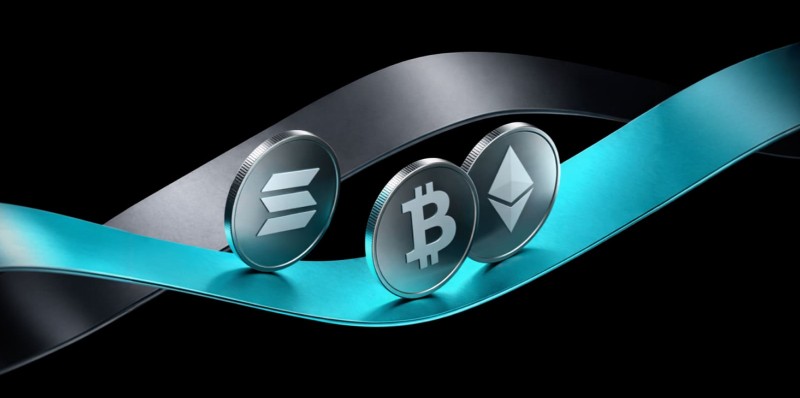
You may have heard of crypto savings accounts promising double-digit returns. They sound too good to be true. They are real, but they work differently from your bank account. Some platforms advertise yields of 5%, 10%, or more. Those rates are not guaranteed and can shift any time. The source warns the catch: your crypto may be deployed through lending or staking.
Instead of sitting idle, your crypto may be lent out or staked. Think of it like this: you become the bank. You lend your crypto, borrowers pay interest, you take a cut. Simple idea, but the risks are not those of traditional banking. You are not just holding coins hoping price rises; you are earning yield while you wait.
Bank savings accounts are protected by government schemes. Crypto savings accounts do not have that protection. If the platform goes bankrupt or is hacked, you might lose everything. Banks pay almost nothing because they are safe. Crypto platforms pay more because they are riskier. That is the trade-off: higher reward, higher risk. Traditional banks invest in low-risk bonds; crypto platforms lend in markets with counterparty risk.
Your Crypto Isn't FDIC Insured: The Hard Truth
Types of Crypto Savings Accounts
There are a few flavours of these accounts. Each carries its own rules. I break them down so you can see the shape of the risk. The source lists flexible, fixed-term, stablecoin, and DeFi styles. Knowing the type helps you plan withdrawals.
Common crypto savings account types
- Flexible savings accounts let you withdraw anytime, like a checking account that pays interest. Rates are lower because funds can leave instantly.
- Fixed-term accounts lock your crypto for 30, 60, or 90 days. You get higher rates but penalties if you break early.
- Stablecoin accounts pay interest on USDT, USDC, or other dollar-pegged tokens. Less price swing but stability not guaranteed.
- DeFi savings put your crypto in a smart contract, not a company. No middleman, but you need to know the protocol.
Stablecoins aim to stay near $1, so your principal is less exposed to price swings than Bitcoin. But the yield still depends on lending demand. DeFi uses code; bugs can happen. I would read widely before trying that. The source says you need to understand these protocols before risking money.
How Crypto Savings Accounts Work
The basic model is lending. You deposit crypto into a platform. The platform lends it to borrowers. Borrowers pay interest. The platform keeps a slice and pays you the rest. Most use deposits for margin lending to traders making leveraged bets. They pay high rates to multiply gains.
Some lend to institutions or market makers. Others use decentralized finance (DeFi) protocols. The mechanics vary, but the core idea is the same: your deposited crypto is deployed into yield-generating ways, and you get part of the return. Zeal uses DeFi infrastructure like Aave to route user balances into lending markets. That differs from central desks.
"The biggest risk is platform failure. If the company goes bankrupt, you might lose your deposits. This happened with Celsius, BlockFi, and others."
Interest payments happen automatically, weekly, monthly, or daily. Compound interest can boost returns if you leave earnings in. But remember, the crypto digital assets you parked are not FDIC insured. If borrowers default, platforms use collateral to cover. If not enough, you might lose deposit. Extreme market moves can still create shortfalls.
Are Crypto Savings Accounts Safe?
Let’s be honest: they are not as safe as FDIC-insured bank accounts. That is reality. You take on risk for higher returns. The biggest danger is platform failure. If the company goes under, you might lose your deposits. Celsius, BlockFi, and others collapsed after promising big returns. Smart contract risk matters for DeFi.
Code can have bugs. Hackers exploit them. Even audited contracts are not 100% safe. Regulatory risk is real too. Governments are still figuring out crypto rules. New rules could shut down platforms or change how they work. Your account might not function the same way tomorrow.
Some platforms offer insurance, but read the fine print. It usually doesn’t cover everything. Market crashes, hacks, and fraud might not be included. So the app judged most reliable still can’t give you FDIC cover. Private insurance is not the same as government backstop.
If you look for the most secure crypto platform , check if they carry supplemental private insurance. That helps a bit but does not erase the gap. The source notes many digital asset firms use private insurance today, yet crypto stays uninsured by FDIC.
How to Open a Crypto Savings Account
Want to try one? Here is the step-by-step from the source. I add my notes in plain talk. Take your time with each stage. Rushing leads to mistakes.
Steps to open an account
- Choose a platform. Research reviews, check regulatory status, compare rates. Don’t just pick the highest APY.
- Sign up and verify identity. You need to provide docs. This is standard KYC. Legit platforms require it.
- Fund your account. Transfer crypto from your wallet or buy on platform. Watch for fees and minimums.
- Select your savings product. Pick flexible or fixed. Review rates and conditions carefully.
- Deposit your crypto. Confirm transaction. Start earning after short delay depending on platform.
- Monitor your account. Check interest payments. Watch for platform updates or terms changes.
Before you do any of this, think about spotting crypto scams . If a site promises crazy returns with no risk, walk away. Also consider a crypto wallet without ID only if you know the legal side, but exchanges need ID for savings accounts. The KYC step is there to cut fraud, not to insure you.
Important Factors Before You Deposit
Comparing these accounts takes more than glancing at rates. I list the key points the source gives. Use them as a checklist. A high number can hide weak safety.
Things to check before you deposit
- Interest rates: a 20% rate means nothing if platform goes bust. Look at where yield comes from.
- Withdrawal terms: some process in minutes, others take weeks. Quick access may matter for bills.
- Supported cryptocurrencies: some only take Bitcoin, Ethereum. Others support dozens of tokens.
- Minimum deposits: can range from $10 to $10,000. Check before you sign up to avoid waste.
- Platform reputation: research the company. Any breaches? User reviews? Don't trust newcomers.
- Regulatory compliance: registered companies safer than anonymous ops. They still can vanish, but less likely.
Don’t trust your money to newcomers with no track record. The www blockchain com login page might lead to a service, but still no FDIC. And earning crypto by completing tasks is a different thing, not a savings account, but still uninsured. Stick with mainstream coins if you want options. Smaller altcoins have thin lending markets.
Market Crashes Show the Danger

We saw a dramatic selloff that wiped hundreds of billions off crypto in days. Bitcoin dropped more than 50% from highs. TerraUSD and Luna collapsed to near zero. Some investors panicked and sold, dropping prices further. A crash of historic proportion. Social media filled with laments of enormous losses.
On social media, folks lamented huge losses. Some asked for compensation from the Luna creator. Same week, a Coinbase report warned users could lose all crypto if exchange went bankrupt. Coinbase later said business healthy and funds safe, but the warning stayed. That line buried in the annual report scared many.
This shows the blind spot. When bank deposits link to crypto firms, those cash deposits at FDIC-insured banks are insured. But the digital tokens those businesses handle remain outside protection. Silvergate Bank had large crypto firm deposits that grew fast, but crypto assets themselves not insured. The episode underscored the split.
"The result was a crypto crash of historic proportions."
Luna meltdown tells you nothing is immune from total disaster, says Smith. Investors may report outright fraud, but odds of recovering losses are pretty much nothing. That is a hard line. I would not bet my home on tokens.
Uphold's FDIC Wrapper for XRP: A Structural Shift
Regulatory Warnings About False Claims
The FDIC and Consumer Financial Protection Bureau (CFPB) issued a warning to companies: don’t misuse FDIC name or logo. Don’t make false claims about FDIC insurance if customers aren’t eligible. Misrepresentations harm consumers who find assets uninsured in distress. The warning is a good reminder for crypto investors and exchanges.
The warning reminds investors and exchanges of acute risks inherent to digital assets. Treasury Secretary Janet Yellen described a crypto meltdown as a "real-life demonstration" of dangers. She told lawmakers we need a regulatory framework to guard against risks. The rules are still being written in many places.
"Such misrepresentations also harm consumers, who may find that their assets are not insured in a time of financial distress," the CFPB announcement reads.
The FDIC cracks down on misleading marketing. Section 18(a)(4) reshapes rules for FDIC references in fintech ads. So if a platform says it is FDIC insured for crypto, that is a red flag. The source says the warning doesn’t eliminate the acute risks, just stops lies about cover.
What about Cryptocurrency and Banks?
Some banks want to mix traditional and crypto. LevelField plans to be an FDIC-insured bank that also lets customers buy and sell selected digital assets in same custody. But the CEO clarifies: digital assets held in safe custody are not covered by FDIC insurance. They get supplemental private insurance, as many digital asset firms do today.
The bank will have FDIC insurance for its US-dollar deposits. It will never hold digital assets as principal, to avoid safety and soundness issues. The Federal Reserve says custody is approved; holding as principal is problematic. This keeps the bank side clean.
This layered supervision from FDIC and good governance brings safety for the bank side. But the crypto side remains uninsured. So even at a regulated bank, ask the cryptocurrency cover question . The answer stays no for the tokens. The CEO says customers must not mistakenly believe digital assets are covered. Private insurance is not FDIC.
Keeping Your Crypto Digital Assets Protected
So how do you protect yourself? First, know the gap. Is crypto fdic insured? No. Treat crypto as risk capital. Only deposit what you can afford to lose. Use reputable platforms with private insurance and clear terms. Read the disclaimer every time.
Read the fine print on any crypto savings account. Check withdrawal locks. Diversify so you don’t put retirement in high-yield crypto. Traditional retirement accounts have decades of regulatory protection; crypto accounts don’t. Use them for extra yield, not your whole future.
I also suggest learning self-custody with a wallet you control. But note a crypto wallet without ID may limit access to regulated services. And the app judged most reliable still won’t change the FDIC fact. Some platforms support 20-30 tokens, others only 5-10. Check the list before you commit.
"You're taking on risk for those higher returns."
The source disclaimer says crypto assets are volatile and may lose value. Yield rates are variable, not guaranteed. Crypto savings products are not equal to bank deposits and may not be protected by government schemes. Always review official docs before using any platform. That is plain good sense.
My Take on the Blind Spot
I care about this topic because too many people assume crypto is like bank money. It is not. The source makes it clear: crypto assets aren’t backed by any government agency. If a platform fails, you could lose everything. That is the blind spot in the digital vault.
Hey, don’t skip this part: the danger is the gradual erosion of assumed safety. You might think your exchange is a bank. It is not. The cash part may be insured, but the tokens are not. That blind spot matters more than most realise. I write this so you check before trust.
I hope my notes help you see the line. Use banks for insured cash. Use crypto with open eyes. And if someone tells you crypto is FDIC insured, check the source. It isn’t. The short answer stays no, and that is not going to change by itself. Stay safe out there.



Comments on “Is Crypto FDIC Insured? The Blind Spot Every Investor Should See Before They Trust the Wrong Safety Net”
No comments yet. Be the first to share your thoughts.