
What Cashing Out Crypto Wallet Means
There’s a moment in the life of any new money when it stops being a theoretical freedom and turns into a practical problem: how do you actually buy a coffee? Bitcoin, Ethereum, Litecoin, Ripple and others arrived as a revolt against central bosses. The appeal was obvious-freedom from banks and government control. But coins are not just for holding. At some point you will want to turn them into regular money. That is what we call cashing out crypto wallet. It means moving your coins to fiat like dollars or euros. The term crypto cash out points to this final step.
I like to think of it as the last step. You buy crypto, you wait, and then you need to use the money in the real world. Knowing the craft of freeing your coins from the digital jar is a skill every holder should learn. It is the bridge from screen numbers to bank funds. Without it, your coins are stuck in a digital box. I have seen friends panic when they could not get cash. So I write this to help you avoid that fog.
Crypto Cash Out is a term that refers to the process of converting your crypto assets into a more liquid form, typically fiat currencies.

The source text says this step lets you realize profits or pay bills. You might need cash for daily life. Or you might sell at a market high. Either way, the path from wallet to bank matters. In this post I walk through the simple paths so you can move funds without headache. We compare exchanges, cards, and direct bank moves. The goal is clear info, not sales talk.
Why You Might Need to Cash Out
There are plain reasons to cash out. Maybe you have pressing bills to pay. Maybe you see a good price and want to take gains. Or you just want to spend like normal people do at shops. The ability to withdraw crypto to bank account is key for any holder. It closes the loop between digital and physical life.
I care about this because many new users get stuck. They own coins but cannot get value out. That is a blind spot. If you learn the exit ramp from wallet to bank early, you avoid stress later. The source notes that crypto is not just to hoard. It is to use. So plan your exit before you even buy.
Some folks cash out to meet financial demands. Others do it to use the money in a traditional system. Either way, the steps are similar across tools. Keep reading for the paths I found in the material.
Cold Wallet to Bank Walkthrough
Centralized Exchanges for Cashing Out
One common way is through a centralized exchange. You pick the coin and amount, sell it for fiat, then pull the money to your bank. This is easy and supports many currencies. But fees can be high and the process may take time. You must wait for the sale to clear then for the bank transfer. It is the corporate Santa Rally of crypto: looks like health, but watch the margins.
You should pick a known name. Popular choices include Coinbase, Kraken, Binance, and KuCoin. Research the security and the regions they serve. A vault or trading post for your coins must fit your needs in terms of supported coins and country. I say read their help pages first.
Popular exchanges to consider
- Coinbase
- Kraken
- Binance
- KuCoin
Each platform has its own steps, fees, and timeframes. Some have made the cash out smooth. I suggest you test with a small sum before moving life savings. The source warns that not all exchanges are equal in safety. So choose a reputable one with clear rules. The safest choice is not to keep everything, but to keep purposefully.
When you sell on an exchange, you convert to fiat inside the site. Then you withdraw to bank. This two-step is simple but can involve identity checks. That is normal. Just be ready to show docs if asked.
Peer-to-Peer Trades
If you want a direct deal, peer-to-peer trades may fit. Sites connect buyers and sellers. You set your price and talk with the other party. This gives privacy and flexibility. You might get better rates than an exchange. It is the positive deviance of crypto: breaking the intermediary’s doctrine.
But watch out. You must check the trust score of the person. I would never send coins without proof of payment. Use a a trustworthy crypto companion app that offers escrow if possible. That keeps both sides safe. The source says caution is key in verifying reputation.
P2P can be slow if the buyer delays. And you carry more risk of scam. Still, for those who value privacy, it is a real option. Just meet in a public place if doing cash in person, or use the platform's chat.
Bitcoin ATMs for Quick Cash
Bitcoin ATMs are machines that take your crypto and spit out cash. They are good for on the spot needs. You can sell Bitcoin or other coins and get bills fast. The process is like a normal ATM but in reverse. A shishi-odoshi of liquidity: slow fill, sudden tip.
But these ATMs are not everywhere. And they often charge higher fees. If you live far from one, it may not be worth it. Check the cost before you go. Knowing the ATM path from wallet to notes is simple but pricey. The source notes they may not be in your area.
I would use an ATM only for small quick needs. For large sums, the fee bite is too big. Also, some machines have low daily limits. Plan ahead if you need more than a few hundred dollars.
Crypto Debit Cards and How They Work

A crypto debit card links a payment firm to your wallet. You spend at any shop that takes debit cards. The card auto converts crypto to fiat at the moment of swipe. This makes coins act like normal cash. You do not need the shop to know about crypto. It expands the workspace of your wallet.
Most merchants still do not take Bitcoin directly. Cards fix that gap. The firm pulls the right amount of crypto, swaps to dollars, and pays the shop in seconds. I find this handy for coffee or cabs. The source gives a clear example of John buying coffee with his card.
You can also use the card at an ATM to get cash. It works like a a wallet that doesn’t fight you on day one tied to a card. Move funds in a few clicks, then spend anywhere. The card acts as an external wallet for daily buys.
The source gives an example: John goes to a coffee shop, uses his card, and the firm takes the crypto, converts, and pays. That shows the speed. It is a real world bridge for crypto. Retailers stay unaware, and you get your latte.
Crypto cards seek to make digital coins a valid payment form. They help legitimize the space. But they are not a full bank replace in all cases. Read the next section for the fine print.
Crypto.com Sell and Withdraw Steps
Things to Know About Crypto Debit Cards
Before you get a card, think about four points. I list them below so you don't miss key facts. These come straight from the source material, trimmed to plain words. The F.O.T.O. dilemma warns us about holding on; here, the trick is letting go of coins at the right moment.
Check these before using a crypto card
- Is the service available in your location? Some places ban or restrict crypto, so a card may not help there.
- Do you have to pay tax? Yes, the IRS sees crypto as property, so spending triggers a taxable event.
- What coins does the card support? Many support only Bitcoin, but most now take multiple tokens.
- What fees and exchange rates apply? No deposit fees usually, but withdrawal and forex fees may exist.
On taxes: if you buy coffee when crypto is worth more than when you got it, you owe tax on the gain. If you are at a loss, you can use that to offset gains. That is called tax-loss harvesting. Good to know. The IRS treats crypto like stocks, not currency.
Also, card providers differ. Some waive fees if you spend a lot per year. Foreign conversion fees are rare but may cover Visa or Mastercard costs. Pick the the wallet that actually lets you exit with low fees. The source says most cards support many coins, but check yours.
Pros of these cards include spending crypto like fiat, reduced forex fees, and some cash-back in crypto. Cons are tax events, geo limits, and need for wallet balance. Keep that in mind when you load up.
Custodial vs Non-Custodial Wallets
When you hold crypto, you choose who keeps the keys. Custodial means a third party holds them. It is convenient but you lose some control. Non-custodial means you hold the keys yourself. The source says this gives self-custody and full control. It is hard to read the label from inside the jar if the custodian owns the jar.
I prefer non-custodial for peace of mind. With it, you have full say when you withdraw crypto to bank account. Some firms like Swapin offer direct IBANs to send from wallet to bank fast. That is a non-custodial path. You keep the keys, they just route the money.
The source notes Swapin lets you make transactions in your name from wallet to bank in minutes. You keep control of assets. That fits the idea of an online wallet for your coins used with care. A hot wallet is online, but with good security it can be fine.
Custodial may be easier for beginners. But if the custodian fails, your funds could freeze. Non-custodial puts the weight on you. Choose based on your comfort with tech and risk.
Step-by-Step Withdrawal From Yomi Wallet
Yomi is a non-custodial wallet system. It supports 19 coins across 6 networks. It has security like 2FA and EIP-4337. You can open it with no KYC, which adds privacy. The source says it is built for fast withdrawal and user control. A small fragment of the puzzle, but essential.
Here is how to cash out crypto wallet using Yomi app. Follow the steps. I copied them from the source so you get the real flow. This part is important, pay attention to the double check. The pattern is already in the organisation; we just need to hear it.
Steps to withdraw from Yomi
- Open the Yomi App and go to "Accounts."
- Open your Crypto Wallet.
- Press the "Withdrawal" button.
- Choose the asset you wish to withdraw.
- Select "External wallet address" as your destination.
- Enter the amount and press "Withdraw."
- Input the 2FA code from app and second 2FA from email.
- Wait for the request to process.
That double check makes sure only you move funds. Yomi also lets you send to its debit card with low fees. The app for minding your coins feels smooth for daily use. You can top up via QR code too.
They support many coins but speed depends on network. Still, no withdrawal limits from the wallet is a big plus. For large sums, this is a solid pick. The source says Yomi prides on high fiat limits for cards as well.
Remember, a non-custodial wallet means you alone hold keys. If you lose the 2FA device, you may need backup codes. Store them safe. That is plain common sense.
Wallet-as-a-Bank Model
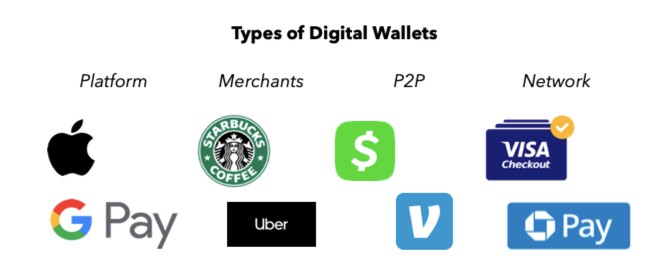
Wallets now act like banks. They offer buy, sell, save, and even loans. Coinbase wallet lets you earn on USDC. Dharma lets you pay via twitter handle. BlockFi gives interest accounts and a card. Square Cash App added bitcoin buying back in 2018.
Examples of wallet banking features
- Coinbase wallet: send, receive, earn interest on stablecoin.
- Dharma: peer payments and savings on cash deposits.
- BlockFi: lending platform with credit card and savings.
- Square Cash App: buy bitcoin and send to external addresses.
The global nature of wallets is beautiful. With internet, anyone can spin one up. This can serve people with no bank access. A a no-cost address to receive coins is enough to start. No gatekeeper needed.
Programmable crypto assets allow tricks like flash lending. That is borrowing and repaying in seconds with no risk. Square's story shows success: in 2018 they added bitcoin buy, and in 2020 sales passed $200M with $17M profit. That is history now but shows the trend.
Studies say most Americans use digital wallets. The reach is wide. But local rules can block some services. Always check what works where you live. The source mentions a McKinsey study that found three out of four Americans use some form of digital wallet.
This wallet-as-a-bank growth may keep rising. Crypto firms build full suites since traditional banks may not partner. That gives users more tools in one app. Just read terms before trusting them with savings.
General Cash-Out Process From Any Wallet
Regional Rules and Limits
Some places move against crypto. Full bans exist in spots like China and Turkey. India has had tight rules. The U.S. allows trading but talks of a national digital coin. So your card or exchange may not work everywhere.
If you see "Access restricted for users from your region," look for local providers. I say this part is important: don't assume your app works abroad. Plan a backup. Knowing the local law of moving coins to cash includes knowing the law. The source repeats that crypto-hostile areas need caution.
Even if a card says it works at any POS, local banks may block the transaction. Carry some cash or a normal card when traveling. That is just smart. Rules change, so check before each trip.
Security and Taxes When Cashing Out
Stay safe. Non-custodial wallets like Yomi use 2FA and standards. Withdrawals need two codes. That blocks strangers. Also, tax: IRS treats crypto as property. Spending via card is a taxable event. Report gains or losses. The source sums this up well.
Staying informed and understanding how to manage your digital assets is vital. As always, proceed with caution and make sure to secure your assets.
Processing speed varies by coin and network. Fees too. Yomi has no wallet withdrawal limits, but others may cap you. Pick the the app you can actually trust that fits your size. Test small first to learn the feel.
Tax bits can surprise new users. If you spend crypto that went up, you owe. If it went down, you can use the loss. Keep records of buy price and spend price. A simple sheet works. Don't wait for tax season to scramble.
Picking the Right Tool for You
With many options, choose what fits. If you want simple, an exchange is fine. If you want control, non-custodial wallet plus card works. I think the iPhone wallet that shows its workings is one that shows clear fees and steps. No hidden junk.
You can also use a a site to acquire coins to get coins then move to a a wallet that doesn’t fight you . The link between buy and cash out should be smooth. Don't overcomplicate. The source lists many paths, but all aim at the same end: real money in hand.
For those who like to acquire coins and spend fast, a debit card from a wallet is neat. Just mind the tax bit. And keep your keys safe. A the wallet that lets you exit cleanly is the one you actually understand.
If you are on a phone only, look for a an app to mind your coins with good reviews. Try a small transfer. See how long it takes. That tells you more than any ad.
My Take on Staying Safe
I won't preach, but this one's important: guard your 2FA. If someone gets your code, they can drain you. Use an authenticator app, not SMS. And write down your seed phrase on paper, not online. The source backs double 2FA for a reason. It is hard to read the label from inside the jar if you hand the jar to a stranger.
Learning the craft of moving coins to cash is not hard. The hard part is avoiding scams and bad fees. Take your time, read the source, and test with small amounts first. That's my plain advice. Don't rush, and your coins will serve you well.
At the end of the day, crypto is just a tool. The cash out step is where it meets real life. Keep it simple, keep it safe, and you'll be fine. I hope this clear note helps you move funds without the fog. The puzzle outgrows the table if you never learn to assemble the pieces.


Comments on “Step-by-Step Guide: How to Cash Out Crypto Wallet Without the Fog”
No comments yet. Be the first to share your thoughts.