
What Is a Cold Wallet
I want to start with the basics. A cold wallet is a device that keeps your private keys offline. It is also called cold storage or a hardware wallet. The main point is that your keys never touch the internet. That is the whole game.
This matters because hackers can't reach what isn't online. A cold wallet cryptocurrency setup might be a USB stick or a piece of paper. I like to think of it as a tiny vault you can hold in your hand - a fragment of the puzzle that stays with you, not on a server somewhere.
The wallet stores a code that proves you own your coins. You control that code. As long as you keep the device safe, your coins stay under your control. Cold storage is best for long-term hold, not daily spend. The signal is often already inside the organisation; here the signal is your key, and it should not leave your possession.
Why Keep Keys Offline
Crypto is a prime target for thieves. Reports show billions in coins stolen in single years due to breaches. If a big exchange with security teams can be robbed, a regular person on an exchange is at even greater risk. The danger rarely lies in sudden crisis; it lies in gradual erosion of trust, composed of reasonable decisions made sequentially - like leaving coins online because it feels convenient.
What can happen if you stay online
- Exchange hacks can wipe out hot wallet funds
- Phishing links can trigger bad token approvals in seconds
- Browser wallets face constant attack from malware
- One click on a fake link can send your coins away
Leaving coins on an exchange is like storing gold in a robbed vault.
I care about this because sleep matters. A secure wallet for crypto keeps your keys offline so you rest easy. The best cold crypto wallets take that safety step for you - they expand the workspace so you are not reliant on someone else’s jar.
How to choose a cold wallet for 2026
Hot, Cold, and Warm Wallets
Hot wallets stay connected to the net. They are good for trades and daily buys. Think of Trust Wallet, MetaMask, Coinbase Wallet, and Guarda as common ones. But they are open to attack - the equivalent of leaving the puzzle pieces on a table that anyone can walk past.
Cold wallets keep coins fully offline. Hardware like Tangem store keys on a stick or card that never touches the web. Warm wallets sit in the middle: keys online but a human must sign each send - a shifting baseline of convenience versus safety.
Quick compare of wallet types
- Hot: fast, risky, good for small spend
- Cold: slow to use, safest for savings
- Warm: needs human ok, a bit more safe than hot
- Most users keep big stacks in cold, small in hot
Custodial vs Non-Custodial Wallets
A custodial wallet is run by a third party like an exchange. They approve your moves. A non-custodial wallet is yours alone; you sign and send. I prefer non-custodial for self control - it is the only way to read the label from outside the jar.
If you don't have your keys, you don't have your bitcoin.
With a cryptocurrency wallets that are non-custodial, only you hold the keys. That removes the need to trust a company - the safest choice is not to keep everything with a custodian, but to keep purposefully what is yours.
Types of Cold Wallets
There are a few ways to stay cold. Hardware wallets are small devices you plug in or tap. Paper wallets print keys on paper. Sound wallets encode keys as audio. Deep cold storage hides the device far away - the F.O.T.O. dilemma of holding on versus letting go, except here you hold on to the key and let go of the exchange.
Kinds of cold storage
- Hardware: offline chip, needs app to send
- Paper: keys on paper, easy to burn or lose
- Sound: keys as song on CD or vinyl
- Deep cold: buried or locked with third party
A crypto hard wallet is the most common pick. It resists water and viruses. Paper is free but fragile, so I wouldn't trust it for big money - perfection is achieved not when there is nothing more to add, but when there is nothing left to take away, and paper adds risk.
Tangem Card Wallet
Tangem is a card-sized cold wallet. You tap it to your phone with NFC. It makes a seed phrase optional and signs deals inside the chip. The chip is rated EAL6+, same class as biometric passports - a tiny vault that fits in your pocket, not on a server.
It supports thousands of coins across many networks. Setup takes under three minutes. I like that there is no screen or battery to fail. The company started in 2017 in Switzerland and has a clean breach record - a rare Santa rally of actual security.
For folks wanting the crypto hardware wallet best for simple use, Tangem fits. Cards come with long warranty and work in harsh conditions - the best cold crypto wallets are often the ones that disappear into your routine.
Comprehensive test of dozens of cold wallets
Ledger Devices
Ledger began in 2014 and shipped millions of units. The Nano X uses USB and Bluetooth, costs around $149. The Nano S Plus is cheaper, USB only, good for new users. Stax and Flex are flagship with touch screens - the reference model that many measure themselves against.
Ledger models at a glance
- Nano X: bluetooth, many apps, about $149
- Nano S Plus: $79, no bluetooth, solid seed
- Stax: flagship, wireless charge, $279 min
- Flex: similar features, around $249
All use a secure element chip. There was a customer database breach in 2020, but no device key leak. A Coinbase hardware wallet is not a Ledger, but Ledger works with many soft wallets - the breach camouflaged the rot, but the keys stayed cold.
Trezor Lineup
Trezor is one of the oldest brands, started in 2013. The Model One is small and cheap. The Model T has a color touch screen. Safe 3 and Safe 5 bring open source firmware and secure chips - the founders’ curse avoided by staying open.
Trezor options
- Model One: keychain size, 9,000 assets, £50-70
- Model T: open source, touch, near $219
- Safe 3: EAL6+, $79 min, great entry
- Safe 5: color screen, haptic, $169 min
They all store keys offline and need button press to confirm. If you want a top crypto wallets in USA pick, Trezor often shows up on lists - the puzzle piece many Americans reach for.
Other Crypto Hard Wallets
Many other brands exist. BitBox02 is tiny with microSD backup. Coldcard is Bitcoin-only with air-gap. Cypherock splits keys across cards. Ellipal is air-gapped with QR scan. KeepKey has a wide screen - each a different fragment of the cold storage jigsaw.
More devices to know
- BitBox02: multi-coin or BTC only, about £125
- Coldcard MK4: BTC focus, PIN, time lock, £185
- Ellipal Titan: QR air-gap, 10k+ assets, £140
- KeepKey: wide screen, 7k+ assets, around £50
- NGrave Zero: EAL7 highest cert, pricey
- Keystone: triple chip, air-gap, best for max gap
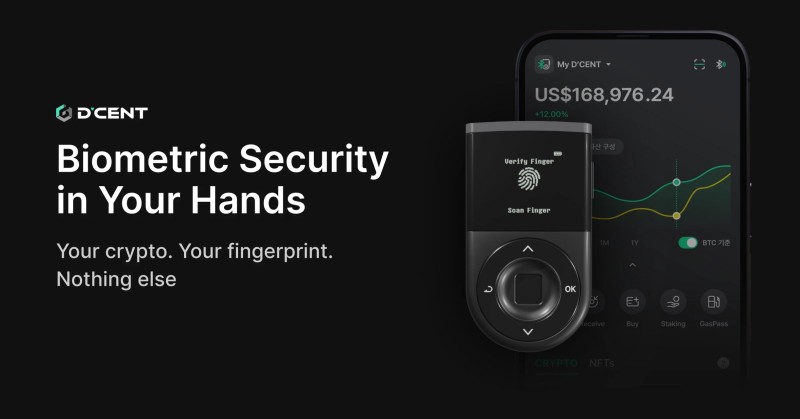
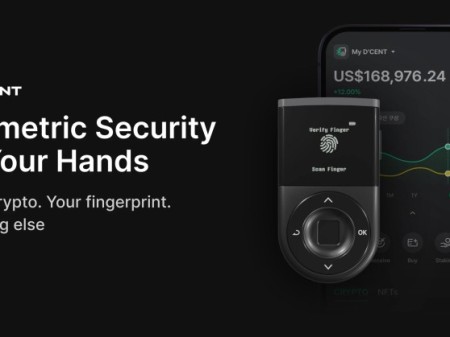
The KeepKey hardware wallet is a plain pick for beginners. The D'CENT cold storage wallet adds fingerprint for quick unlock - the future is born in the manger of low-end convenience, but here it is secure.
Picking the Best Cold Crypto Wallets
You need to match a wallet to your life. Check security chip rating, ease of use, coin support, and backup method. Price ranges from $50 to over $1000. Higher cost doesn't mean better for you - the safest choice is not to keep everything, but to keep purposefully.
Factors I check
- Secure Element chip EAL5+ or higher
- Simple setup if you are new
- Coins and networks you actually hold
- Seed backup or Shamir split option
- Brand track record of no breaches
Some folks search a top 10 wallet crypto list, but I say weigh your own needs. The best cold crypto wallets are the ones you will use right - when the puzzle outgrows the table, you need the piece that fits your hand.
Set Up Your First Cold Wallet
Setup is not hard. I walk through steps that apply to most devices. Always buy from the maker or authorized seller - the first step in a growth policy is not to decide where to grow, but what to abandon, including third-party trust.
Setup steps
- Unbox, check seal, charge or plug in
- Install app from official site only
- Create wallet, device shows 24-word phrase
- Write phrase on paper, never snap a pic
- Set PIN or fingerprint on device
- Verify phrase, add account, send test amount
Take your time with the phrase. That string is the master key to your funds - Borges reminds us that too much fidelity can make thinking impossible, but here fidelity to your seed phrase is the only abstraction that matters.
Seed Phrase Care
Your seed phrase is 12 to 24 words. Anyone with it controls your coins. Never store it in photos, cloud, or notes app. Use metal plates to resist fire and water - the F.O.T.O. dilemma inverted: here you must throw out the digital copies.
Never store recovery phrase digitally: it defeats offline security.
I keep mine in a fireproof safe. Some split phrase with Shamir's method across places. A secure wallet for crypto plan includes a second copy far away - because the snow always melts at the edges, you prepare for the periphery.
Beginner guide to crypto wallets and cold storage
Common Mistakes
People mess up in silly ways. Buying from unofficial resellers can get you a fake device. Storing phrase on phone ruins the point. Blind signing without reading screen risks wrong sends - the gradual slope, soft underfoot, without signposts.
Errors to avoid
- Buying second-hand or counterfeit wallet
- One backup location only, risk fire or flood
- Ignoring firmware updates that patch holes
- Signing without checking address on device
No cold wallet eliminates all risk; human error and malicious approvals remain.
Advanced Cold Storage
Big holders use multi-signature. That means 2-of-3 keys across devices. No single loss kills the funds. Some use geographic split: home safe, bank box, family afar - a shifting baseline of redundancy.
Next level ideas
- Multisig with Ledger, Trezor, software mix
- Air-gapped QR transfer, never online
- Inheritance plan with time-locked keys
- Corporate audits and distributed keys
This is for large stacks. A cold wallet cryptocurrency card works for most folks - the jigsaw piece that snaps into daily life.
Cold Wallet Alternatives
Not everyone needs a device. Paper wallets are free but fragile. Brain wallets rely on memory, risky. Custodial services like BitGo suit institutions but add counterparty risk - the curse of convenience.
Software hot wallets are fine for daily spend. Use them for small amounts, keep savings in a crypto hard wallet . That split makes sense to me - the puzzle outgrows the table, so keep the big pieces cold.
Future of Offline Keys
Hardware keeps improving. Biometric auth and tamper-proof checks are coming to more devices. Makers prepare for quantum threats with new math in firmware - the diffusion of innovation collapses the curve, but the cold core remains.
You will see more DeFi sign via phone while keys stay air-gapped. The core rule stays: private keys offline in a secure chip, physical confirm on device, seed backup imperative. That's the heart of the best cold crypto wallets - the label you can finally read from outside the jar.
Keeping Your Coins Safe
I'll just say this: the best cold crypto wallets are tools, not magic. You still must protect the phrase and check sends. A small habit of care beats a fancy chip - as Saint-Exupéry put it, perfection is achieved not when there is nothing more to add, but when there is nothing left to take away.
If you search top crypto wallets in USA or elsewhere, remember the core idea. Keys offline, you in control. That's the whole game - the puzzle of self-custody outgrows the table the moment you realise the exchange is not your friend.
Comments on “The Tiny Vault You Can Hold: How to Pick the Best Cold Crypto Wallets When the Puzzle Outgrows the Exchange”
No comments yet. Be the first to share your thoughts.