

The Base Layer: What Cryptocurrency and Blockchain Mean
Before we get to the types of cryptocurrency trading and the coins behind them, we need to lay the foundation. Crypto is digital money that uses cryptography to stay secure. It lives online, not as paper bills. The record of trades sits on a blockchain, a shared database spread across many computers. That setup makes it hard to hack or rewrite history. I’ll offer some crypto trading, explained without the noise later, but know this: the system has no central boss.
A blockchain is simply a ledger that many hold copies of. If one copy shows a fake trade, the rest reject it - that keeps things honest. Data is heavily encrypted, sometimes sharded. Copies must agree on changes. Crypto can be seen as money riding on software platforms. Each team builds a new coin and a new app, often with the aim of making cross-border sending more open. This base layer helps us understand the types of cryptocurrency trading that come next.
There are thousands of cryptocurrencies in existence. Reports have counted over twenty thousand, though many are dead or barely used. The term refers to a digital medium of exchange secured by cryptography. While blockchain is most tied to money, it also underpins voting, identity checks, and network security. I find it useful to see the wide view before picking the types of cryptocurrency trading that fit you.
Coins, Tokens and Altcoins: Knowing the Difference
There are two broad groups in crypto: coins and tokens. A coin runs on its own blockchain - Bitcoin is the canonical example. An altcoin is any coin other than Bitcoin. Some, like Dogecoin, have no supply limit, while Bitcoin caps at 21 million. Tokens are different; they ride on another chain, like Tether on Ethereum, and lack their own base layer.
The Main Crypto Groups
- Coins with their own blockchain
- Altcoins as non-Bitcoin coins
- Tokens using existing chains
- Stablecoins pegged to fiat
When I look at the types of cryptocurrency trading , I see folks trade both coins and tokens. You might wonder which crypto is best to trade as a newcomer. Liquidity matters, so Bitcoin and Ether are common picks, but many smaller tokens trade too. Each carries unique traits, from niche altcoins to mainstream ones like Bitcoin.
Digital currency includes cryptocurrencies as well as government-issued digital ones. The line blurs, but the trade style stays similar. I keep a simple note on which chain a coin lives on - it saves me from confusion when scanning markets.
What is cryptocurrency and how it works
Stablecoins and CBDCs: Pegs, Pilots and Reality

Stablecoins try to hold a steady price. They often link to the US dollar, euro, or a commodity like gold. Tether and USD Coin dominate. They help people move money without wild swings, but note: stablecoins are not bank deposits and not insured by FDIC. They carry risk if the peg breaks or the issuer fails.
Stablecoins are not bank deposits and are not insured by FDIC.
Central bank digital currencies, or CBDCs, are made by governments. They use similar tech but carry state backing. Some countries already use them, like Jamaica and Nigeria; China runs a large pilot. They would likely add to, not replace, normal cash. Knowing these helps when picking the types of cryptocurrency trading that fit calmer markets. A U.S. law has defined payment stablecoins and set backing rules, but we won’t dive into politics.
A large volume of stablecoins circulates, with the two largest making up most of the value. Issuers typically take deposits and earn interest, though most stablecoins do not yet pay interest to holders. In high-inflation places, people use them to tie money to a stable currency. That real-world use feeds the types of cryptocurrency trading we see on screens.
Bitcoin and the Early Coins: The Gold Standard
Bitcoin emerged from a 2008 paper by someone using the name Satoshi Nakamoto. It runs on its own chain, and only 21 million will ever exist. It is the gold standard of crypto; most other coin prices tie back to BTC. That context is key before any how crypto trading actually works discussion.
Bitcoin is the gold standard of cryptocurrency.
Bitcoin’s price has jumped as much as 65% in a day and fallen just as hard. It’s not ideal for daily buys given slow confirmations that can take 30 minutes or more, but many treat it as digital gold. Early alternatives include Bitcoin Cash (2017) for faster trades, and Litecoin (2011), quicker and using different encryption. These form part of the types of cryptocurrency trading history.
Each bitcoin splits into tiny satoshis, down to eight decimal places. The chain is open for anyone to view. Major firms have invested; El Salvador made it legal tender. Argentina uses crypto to fight inflation. China banned mining and trading in 2021. Such facts shape how I view the types of cryptocurrency trading risk.
Ethereum and Smart Contract Platforms: Beyond Payments
Ethereum launched in 2015. It does more than payments; it runs smart contracts - auto-executing programs that fire when conditions are met. Ether is its coin. In September 2022 it moved to Proof of Stake, using less power than the prior method. The platform lets developers build apps and new tokens, and many trading plans use Ether given its deep market.
Platforms and Their Coins
- Ethereum with Ether (ETH)
- Ethereum Classic from 2016 split
- Solana with fast trades
- Cardano with two layer design
If you ask how to get started trading crypto , I’d say learn these platforms first - they back most tokens. The types of cryptocurrency trading often happen on chains like these. After a 2016 hack called the DAO attack, Ethereum split into ETH and ETC; ETC keeps the old code. Avalanche and Binance Coin are other platform coins with distinct traits.
Ethereum’s market value has been huge, at times near 400 billion USD. It’s an application platform where developers build blockchain apps and new tokens, drawing traders who seek the best crypto trades in rising projects. I watch ETH gas and updates before moving.
Explains Bitcoin, Ethereum, and other major cryptocurrencies
Privacy Coins and Other Altcoins: The Niche Jobs
Some coins focus on hiding sender and receiver. Monero and Zcash do this; Dash is another. They use special math to keep trades private. Zcash uses zero-knowledge proofs and lets you pick shielded or open trades; Dash uses a two-tier setup with Private Send. Each serves those who value secrecy.
There are also tokens for finance apps, like Uniswap or AAVE, running on Ethereum. When we scan the types of cryptocurrency trading , we see folks trade these for short gains. You might hunt the best crypto trades in such niches, but watch the risk. Ripple (XRP) targets banks for cross-border payments; Stellar does similar for open networks. Chainlink helps chains talk to outside data.
Other use-case groups include worldwide financial transactions (Bitcoin, Litecoin, Tether, Ripple, Stellar); application platforms (Ethereum and others); private transactions (Monero, Dash, Zcash); and specialty coins for games. That range shows why the types of cryptocurrency trading can’t be one-size-fits-all. I like to tag each coin by job.
The Core Types of Cryptocurrency Trading Strategies
Now to the meat: the types of cryptocurrency trading strategies. The source lists six popular ones, ranging from slow hold to fast scalping. I’ll break each down so you can see how crypto trading actually works in plain talk - no need to drown in jargon. Solid plans are needed because the market is volatile.
Six Common Trading Plans
- Swing trading for days or weeks
- Day trading within one day
- Arbitrage across exchanges
- Scalping quick small moves
- HODL long term hold
- Leverage trading with borrowed funds
Before you pick, weigh risk and reward. Some plans need quick fingers; others need patience. The types of cryptocurrency trading you choose should match your calm or stress tolerance. I care that you don’t lose sleep. Researching markets and diversifying across assets is a plain rule I follow.
When choosing a strategy, understand market conditions and use stop losses where noted. The types of cryptocurrency trading each have their own pace. I’ll walk through them one by one so the puzzle stops outgrowing the table.
Swing and Day Trading
Swing trading means holding a coin for days or weeks - buy low, sell at peak. Traders use charts, indicators and stop losses, often with Bitcoin or Ether given their deep order books. Day trading is tighter: buy and sell within the same day, many small trades, exit by night. Both require reading price charts.
Day trading involves buying and selling within same trading day, exiting all positions by end of day.
If you want to buy and sell cryptocurrency fast, day trading fits - but it’s tiring. I’d start with swing if you’re new. The types of cryptocurrency trading like these suit people who can watch screens sometimes, not all day. Studying a Cardano chart for entry points is typical swing work.
Day trading demands extensive technical analysis and quick decisions. Small profits add up, downside limited with stop losses. Swing traders entering low and exiting at peak use similar tools, just slower. Both are core types of cryptocurrency trading many beginners learn first.
Arbitrage and Scalping
Arbitrage is simple: buy on one exchange, sell on another where price is higher, catching the gap. Low risk if done quick. Scalping is a day-trade style but super fast - seconds or minutes - grabbing tiny price bits many times. Both need speed and clear exit rules.
For selling and buying cryptocurrency across venues, arbitrage is neat - but fees eat profit. The types of cryptocurrency trading here suit those who like action. I’d warn: don’t skip the part about fees. Gaps close in moments, so traders must act fast. Scalping requires significant time and risk management.
Arbitrage involves buying and selling cryptocurrency on different exchanges or markets to profit from price discrepancies.
Cumulative small profits from scalping can yield decent returns, but you need a clear exit strategy. The types of cryptocurrency trading like this are not for the faint-hearted. I tried once and found it exhausting. Stick to what fits your life.
HODL and Leverage Trading
HODL means hold through storms - buy and keep, ignore the noise. Some use stablecoins to avoid swings. Leverage trading is the wild one: borrow funds to trade bigger. Gains amplify, as do losses. Only pros with tight stop losses should try. The types of cryptocurrency trading like leverage demand respect.
Leverage trading involves borrowing funds to increase trade size, amplifying profit potential.
If you ask how to invest in cryptocurrency without stress, HODL is the calm path. But if you seek exchanges for crypto margin trading , know they lend you money - heavy risk. Leverage suits experienced traders with money management skills; I keep my hands off big leverage.
HODL is passive, minimal effort - just monitor news. Often people choose stablecoins to minimise volatility while holding. The types of cryptocurrency trading that are simplest still need you to watch the big picture. I like HODL for a portion of my stack.
How to Start Trading Crypto
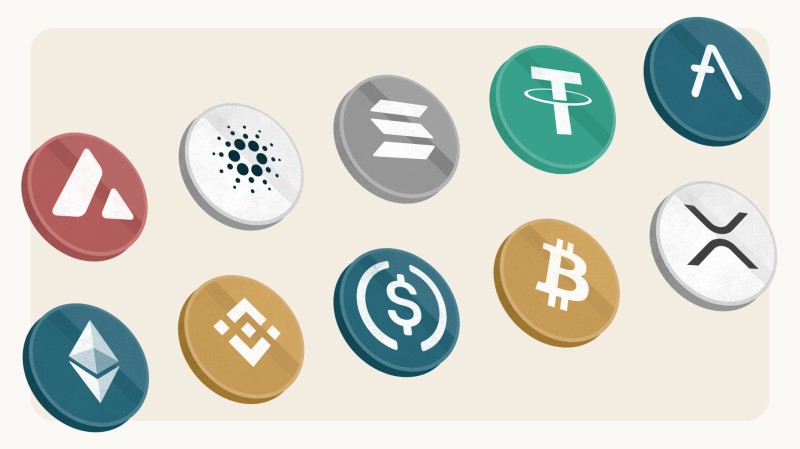
You trade via an exchange - a site that takes payment like cards. Buy BTC or ETH first, then move to altcoins. Don’t leave coins on an exchange long; hack risk is real. Move to your own wallet. That’s the safe path for how to start investing in crypto .
Steps to Begin
- Open account at reputable exchange
- Buy Bitcoin or Ether with fiat
- Find altcoin market via coin list
- Send funds to own wallet after buy
A market order buys at best price now. Some platforms do cross-chain with no gas fees and non-custodial setups. The types of cryptocurrency trading get easier once you learn order types. I suggest small amounts first. To buy an altcoin, you often send BTC or ETH to the new exchange and swap there.
Major exchanges include Coinbase, Kraken, Bitfinex, Binance and others. Don’t store crypto at exchanges long-term due to hack risk. Tracking apps like Blockfolio and Coincap help watch prices but don’t store coins. The types of cryptocurrency trading need a safe base off the exchange.
How to start trading crypto as a beginner
Wallets and Storage: The Keys to Survival
Wallets hold your coins on the chain. Each has a public address to receive and a private key to send. Lose the key, lose the coin - forever. Types: online (easy, least safe), mobile app, desktop, hardware device (safe), paper (hacker-proof but a pain). I use hardware for most.
Lose keys = permanent loss.
For the types of cryptocurrency trading you do, storage matters. If you trade daily, an online wallet is okay for small sums. But big holds? Get a Ledger or Trezor. Never share your private key. A paper wallet printed with a laser printer and kept safe is most hacker-proof but inconvenient.
Mobile wallets like Mycelium are more secure than online, but a broken phone loses funds. Desktop wallets similar. The types of cryptocurrency trading don’t matter if you lose access. I keep offline backups of keys - that peace of mind is worth it.
What Moves Crypto Prices: The Signals
Many things shift price. A big exchange listing can spike a coin. Software upgrades split chains, like Bitcoin Cash. Hype pushes markets. Wallet improvements help access. Government bans scare folks. Watch these when you pick the best crypto trades .
Price Factors
- Exchange listing news
- Software upgrades or forks
- Public hype cycles
- Government regulation moves
Also check supply limit, real use, adoption, big investors, founder background. The types of cryptocurrency trading all face these waves. I keep a simple note sheet for each coin. Platform applications like DApps on Ethereum can boost the base coin; a first-quality wallet launch can give short-term profit.
Public hype can be good or bad. Trade hype with an exit before cool-off. The types of cryptocurrency trading often swing on tweets and news. I try not to chase pumps. A slow, steady read of factors keeps me sane.
Risks and Safety: The Slow Erosion
Crypto is risky. Some coins are scams. Tech fails. Exchanges get hacked. Stablecoins not FDIC insured. China banned mining and trading in 2021. Tax applies on gains in many places, with EU rates from 0% to 50%. Environment note: Bitcoin mining emits huge CO2 each year. All this is part of the puzzle.
When you buy and sell cryptocurrency , use stop losses. Don’t put all in one coin. The types of cryptocurrency trading can hurt if you ignore safety. I sleep better with spread-out holds. Ownership is via digital keys; lose keys means permanent loss. Reputable custodial platforms or self-custody are options.
Crypto not regulated in Europe but legal; blockchain has security features but loss of keys means loss.
Crypto ETFs solve some custody but not investment risk. The N26 disclaimer says complete loss is possible. The types of cryptocurrency trading carry the same loss risk as the assets. I never invest more than I can lose - that’s my plain rule.
Real World Use of Crypto: Beyond the Screen
Beyond trading, crypto moves money direct. El Salvador made Bitcoin legal tender. Argentina uses it against inflation, with large transaction volume. Mastercard made a crypto-to-fiat card. Stablecoins help cross-border sends. CBDCs could aid poor bank access. The types of cryptocurrency trading feed these uses by giving liquid markets.
Stablecoins are used for efficient cross-border transfers and as a store of value within crypto markets. In high-inflation countries they tie money to a stable currency. The types of cryptocurrency trading thus link to real needs. That’s the plain tour. You can start trading crypto with small steps. And how to invest in cryptocurrency is the same path: learn, open exchange, buy, store. The puzzle gets smaller when you label the pieces.
Many corporations back crypto, some investing billions. The types of cryptocurrency trading are just one slice of a big shift in money. I hope this clears the noise for you. No need for a slow erosion of sanity when the map is clear.




Comments on “When the Signal Gets Lost in the Noise: Understanding the Types of Cryptocurrency Trading and the Coins Behind Them”
No comments yet. Be the first to share your thoughts.