
What Crypto Margin Trading Means
Let’s start with a plain explanation of crypto trading explained . Crypto margin trading is when you borrow funds from a centralized exchange to control a position larger than your own cash permits. You post some of your crypto as collateral for the loan. The gains and losses are tallied on the full trade size, not just the deposit you put down. This is core to how crypto margin trading exchanges operate, and it changes the game for small accounts.
Here is a simple example. Say you have $1,000 and use 10x leverage. The exchange lends you $9,000 so you control $10,000. If the price moves in your favor, you win big on the full amount. But if it moves against you, you lose big on that same full amount. That is the blunt truth about these platforms, and I think everyone should sit with that before clicking buy.
The higher the leverage, the larger both potential profit and potential loss.
Margin Versus Leverage
People mix up margin and leverage all the time. Margin is the initial money you put down to secure the loan. It is your skin in the game, the part you can lose first. Leverage is the amplified trading power the loan gives you. For instance, 10x leverage means you control ten times your margin amount with borrowed help.
When you read about a 1000x leverage crypto exchange , keep in mind most crypto margin trading exchanges cap at 100x. The math is simple: more leverage, more risk per tiny price move. I think it helps to write these terms on a sticky note near your screen so you do not forget what is at stake.
What crypto margin trading means and how it works
Long and Short Trades
There are two main directions you can take. A long position means you bet the price will rise. You borrow crypto, hold it, sell later at higher price, repay loan, keep profit. A short position is the opposite. You borrow crypto, sell it now, buy back later if price drops, return the loan, pocket the difference.
These moves are part of the types of cryptocurrency trading you can do on margin. In crypto currency markets , prices swing fast, so both sides carry real danger. I would not call either side safe, and I would never tell a friend it is easy money.
How Crypto Margin Trading Exchanges Work
Most crypto margin trading exchanges use a peer-to-peer model for the borrowed funds. Other traders lend their crypto and earn interest on the loan. The interest rate shifts with demand from borrowers. This is different from old-school brokers who lent their own money. It is a neat twist that keeps the exchange itself holding less cash on hand.
Your collateral sits on the platform while the trade is open. If the value of your collateral falls too low, the system may force a sale. That is called liquidation, and it happens without asking your permission. We will dig into that later with plain numbers.
Traditional Versus Crypto Margin
In old markets, margin funds came from investment brokers who lent their own capital. In the crypto world, many exchanges use a peer-to-peer model where funds are borrowed from other traders. Those P2P lenders earn interest, and market demand for margin funds influences the rate. Most crypto margin trading exchanges follow this peer-to-peer approach rather than acting as the lender themselves.
This change means the exchange is less exposed to default, but you still face the same loan risk as any borrower. I like knowing that another user earns the interest, not just a faceless desk. It is a small detail that matters when rates spike during volatile nights.
Steps to Start Margin Trading
If you want to try this, here is the basic path I gathered from the source. First you open a margin account on a CEX that offers margin trading. You do KYC verification unless the platform allows skip with limits, like some that trade without KYC but cap services. Then you deposit collateral like BTC, ETH, or USDT that the platform accepts.
Getting started steps
- Open a margin account and verify identity if needed.
- Deposit crypto assets that can serve as margin.
- Select leverage with the platform tool, start low if new.
- Place a long or short trade with market or limit order.
- Monitor interest or funding fees as the trade runs.
- Watch for margin calls and add funds if required.
Beginners should stick to 2x or 5x leverage, the source says this plainly. That is a plain tip I would give my own brother. The source says conservative leverage saves accounts from quick ruin, and I have seen folks blow up at 100x within minutes. Take the slow road first.
Upsides and Downsides
There are clear pros to using crypto margin trading exchanges. You get higher gain potential because profits scale with full position. You get more buying power without moving big cash. You get flexibility in leverage ratios to match your plan. Experienced folks may see a self-reinforcing cycle as collateral grows and unlocks more leverage.
Main advantages
- Higher gain potential on the full leveraged position.
- Enhanced purchasing power with small capital outlay.
- Flexibility to match leverage to risk taste.
- Self-reinforcing cycle for seasoned traders.
Crypto markets are highly volatile; margin trading carries a substantial risk of loss, potentially exceeding your initial deposit.
But the downsides hurt just as hard. Losses are amplified and margin calls hit fast. Interest or funding fees eat profit while you sleep. Forced liquidation can wipe you out with no warning. I cannot stress this enough: do not bet rent money on a borrowed trade.
Main disadvantages
- Amplified losses and sudden margin calls.
- Interest or funding costs that erode gains.
- Forced liquidation below maintenance margin.
- Possible loss beyond initial deposit in wild moves.
Crypto.com margin trading tutorial and fees
Risk and Liquidation Basics
You need to know a few numbers before you trade. Initial margin is what you deposit to open. Maintenance margin is the minimum equity you must keep. Liquidation distance is about 1 divided by leverage. At 10x, a 10% bad move can kill the trade. At 100x, just 1% does the job.
Key risk terms
- Initial margin: the deposit to open a position.
- Maintenance margin: the floor equity before liquidation.
- Liquidation distance: roughly 1 divided by leverage.
- PnL based on full position size, not just margin.
- Isolated vs cross margin settings.
Profit and loss math is brutal. A 5% move on $10,000 is $500, which is 50% of your $1,000 margin. That shows how fast things flip from good to gone. Do not skip this part if you plan to trade, because the numbers do not care about your feelings.
Isolated and Cross Margin
There are two ways to assign collateral on most platforms. Isolated margin ties risk to one position's collateral. It is safer because one bad trade does not eat your whole account balance. Cross margin uses your entire balance, which can spread risk but also amplify damage across all open trades at once.
I like isolated margin for new traders. It puts a wall around each bet so a mistake stays small. Many crypto margin trading exchanges offer both, so check the setting before you click. The source lists this as a key guardrail, and I agree it is one of the few easy shields you get.
Popular Crypto Margin Trading Exchanges

Let's look at the names you will see a lot when scanning the field. Bybit offers up to 100x on spot and derivatives, with instant accounts and KYC only for high withdrawals. Binance is huge with 20x and low fees, plus leveraged tokens. Kraken is known for security and U.S. friendliness. KuCoin gives up to 100x derivatives and a simple interface. BitMEX started high-leverage culture. Phemex and CEX.io also appear. Coinbase serves qualified users in many states.
Platforms and their traits
- Bybit: up to 100x, insurance fund, fast app, $90 bonus.
- Binance: largest liquidity, 20x, BNB fee discount, tokens.
- Kraken: strong security, CFTC-regulated spot margin, 5x-10x.
- KuCoin: user-friendly, 10x spot, 100x derivatives, tokens.
- BitMEX: up to 100x, negative maker fees, no KYC basic.
- Phemex: 100x derivatives, no KYC core, promo bonuses.
- CEX.io: old exchange, 10x spot, FinCEN registered.
- Coinbase: margin for eligible users in 44 states and more.
Your choice of what platform to trade crypto matters for safety and fees. There is no single best website to invest in crypto , but regulated ones like Kraken give peace of mind. Also, unlike what crypto exchanges accept credit cards for simple buys, these platforms want crypto collateral. Extra venues like Poloniex, Bityard, AscendEX, and Huobi exist with their own rules, so read fine print.
Kraken and Regulated Margin in the US
Kraken launched CFTC-regulated spot margin trading for U.S. retail users after acquiring Bitnomial. This lets traders use crypto holdings as collateral for up to 10x leverage without selling the assets. It was a milestone for regulated access because it uses the same licenses from the acquisition to build a clear path.
The CFTC once rejected BitMEX's license request but later opened a sandbox for new derivatives products. This shift shows growing acceptance of crypto-native margin with insurance funds and socialized loss models. I find that a big deal for U.S. folks who want clean rules instead of gray-market swaps.
Bitnomial Crypto Collateral Model
Bitnomial stands as the first U.S. derivatives exchange and clearinghouse to launch crypto margin collateral. Traders can deposit Bitcoin, Ether, or stablecoins directly as margin for perpetual swaps, futures, and options. Settlement happens in real time on-chain, skipping the delays of ACH or wire.
Bitnomial key points
- Direct crypto as margin for derivatives.
- Real-time on-chain settlement, no wire delays.
- Cross-border access with same process everywhere.
- Capital efficiency via cross-asset margining.
- Resilience as second liquidity source.
Provides a second, independent liquidity source alongside Treasuries and repo markets, making the U.S. derivatives ecosystem less vulnerable to overnight funding shocks.
This model backs perpetual futures with constant funding rates and real-time margin adjustments. It is a smart rail that does not rely on old bank pipes. Some call it fx crypto trade but it is margin here, just settled in a new way that crosses borders without extra steps.
History of Perpetual Swaps

The perpetual swap was born in May 2016 at BitMEX. A small team lacked liquidity across quarterly futures. They made a single non-expiring contract to pool liquidity and simplify the user experience. The XBTUSD perp used external USD/XBT interest rates for funding, borrowing the peer-to-peer lending model from Bitfinex.
Arthur Hayes called this an "adapt or die" moment for traditional finance. By late 2017 BitMEX became top liquidity venue, and by 2018 it led global spot and derivatives volume. The product inspired traditional exchanges like SGX and CBOE to plan their own perps. That is a wild bit of history showing how fast crypto changed the game.
Arthur Hayes, BitMEX co‑founder, described the invention of perpetual swaps as an “adapt or die” inflection for traditional finance.
Crypto margin versus futures and spot
Equity Perps and the Future
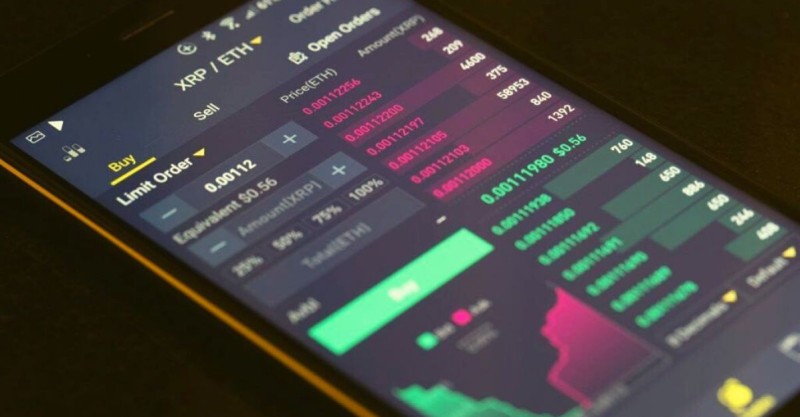
Hyperliquid launched a Nasdaq-100 equity perpetual that trades over $100M daily. This shows equity perps could be next frontier. Crypto exchanges can offer stock-index exposure with 20x-100x leverage, far above old futures limits that retail traders usually face.
The merge of crypto's 24/7 settlement with TradFi rules is reshaping derivatives. We may see commodities, FX, and tokenized real-world assets added to the mix. Traditional brokerages might adopt crypto-margin rails for their clients. Regulatory harmonization could follow across the U.S., EU, and beyond. I think it is hard to read the label from inside the jar when things move this fast.
It is hard to read the label from inside the jar.
Why Exchanges Add Margin Trading

There are business reasons crypto margin trading exchanges push margin features. They get higher trading volumes from skilled traders who trade often. They hold less actual capital because positions are collateralized, cutting hacking exposure. They earn steady fee income from interest and funding. They build a competitive moat with advanced order types and margin modes.
Why platforms like margin
- Higher trading volumes from active traders.
- Reduced hacking exposure with collateral model.
- Increased fee income via interest and funding.
- Competitive moat with sophisticated tools.
Tools for Margin Traders
You do not have to fly blind when using these platforms. CoinTracker gives tax reporting across many exchanges and tracks margin positions with detail. BitMEX Research offers evidence-based guides for derivatives. TradingView brings charting for margin strategies. Leaderboards and copy trading let you follow top margin traders if you want social cues.
Helpful tools
- CoinTracker for tax and position tracking.
- BitMEX Research for guides and reports.
- TradingView for charts and analysis.
- Leaderboard and copy trading features.
I would use these before risking real coins. You can buy and sell cryptocurrency with borrowed funds but tracking keeps you sane. That is my plain advice, and it costs nothing to set up a sheet before you leverage.
The Real Danger of Forced Liquidation
Forced liquidation is the boogeyman of this whole field. If your equity drops below maintenance margin, the exchange auto-sells your positions to protect the loan. You lose the collateral and still may owe more in extreme gaps where price skips your stop. This is why I say start small and use isolated margin.
In crypto currency markets , a flash crash can trigger this in minutes. The best crypto trades mean nothing if you are wiped first by a cascade. Use stop-loss if the platform allows. And please, do not use max leverage on day one, because the jar label is hard to read when you are inside it.
My Plain Thoughts on Picking a Platform
When you look at what platform to trade crypto , check max leverage, fees, KYC rules, and product range. Some platforms like Binance and KuCoin offer leveraged tokens as a softer entry without direct margin accounts. Others like Kraken focus on regulation and clear collateral use. The right pick depends on your home country and risk appetite.
I cannot pick the best crypto trades for you, but I can say that crypto margin trading exchanges with insurance funds and clear liquidation rules deserve a hard look. Also, if you see a claim of a 1000x leverage crypto exchange , be skeptical. Most cap at 100x for a reason, and the blind spot gets bigger the higher you go. That is all I got for now, stay safe out there.



Comments on “When Leverage Becomes a Blind Spot: The Crypto Margin Trading Exchanges Curse”
No comments yet. Be the first to share your thoughts.