
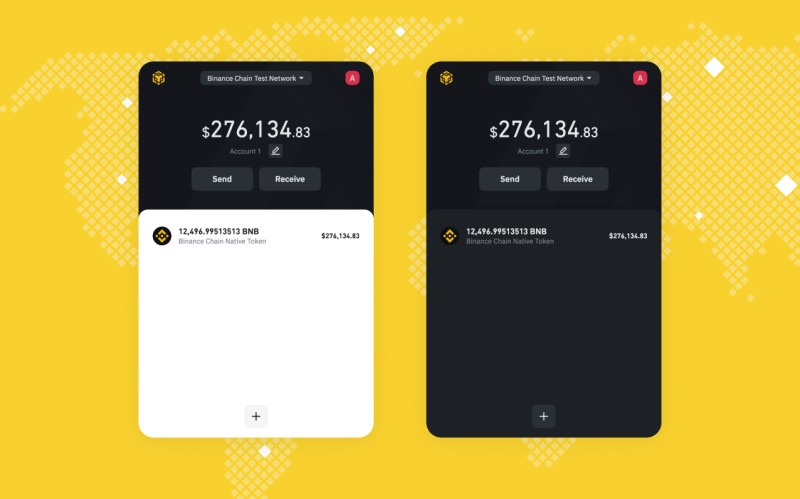
What the Binance Exchange Wallet Is
There’s a moment in any crypto journey when you open a Binance account and a place to keep coins appears by default. That spot is the binance exchange wallet. It is the default vault for active trading, sitting inside the site where you buy and sell. I like to think of it as the desk where you do your work, not the safe where you sleep at night. The distinction matters more than it first seems.
The binance exchange wallet holds your crypto while you trade. It is easy to use and fast, a feature not a bug. But the exchange keeps the keys, so you share control. That trade-off is the whole point of this post. Convenience is high, but your grip on the funds is partial. You do not own the seed phrase when coins sit here. As with any tool that becomes identity, the danger begins when you forget who holds the keys.
The binance exchange wallet is the default vault for active trading. Convenience is high, control is partial.
If you are new, you might wonder about a wallet or exchange for crypto and which one to pick. The exchange wallet is built for speed; a personal wallet is built for keeping. I will show both sides so you can choose with clear eyes and not get burned by surprise. The pattern repeats across history: the tool optimised for one job quietly becomes the job itself.
There is a moment in any crypto path when the binance exchange wallet stops being a tool and turns into a dependency. You log in, see green and red, and forget the coins are held by a third party. This piece breaks down where your funds live, how to shield them, and the small disciplines that let you move crypto without surrendering control. It is the same lesson BlackBerry learned too late: the label is hard to read from inside the jar.
How Binance Started and What It Does
Binance is a crypto exchange founded in 2017. It lets people buy, sell, and trade coins like Bitcoin, Ethereum, and Binance Coin, also called BNB. There are thousands of altcoins on the list. The platform has a lot of trading pairs and a plain interface that most folks can learn quick, even if they never traded before. Like any category-creating product, its clarity of purpose once won markets, but that same clarity can blind if the environment shifts.
Beyond simple trades, Binance gives staking, margin trading, and a feature called Binance Earn. There is also Binance Launchpad for new token sales. The site is known for high trade volume and deep liquidity. That just means you can usually find someone to trade with without waiting too long for a match. The breadth of tools is a double-edged sword: it deepens dependency on the binance exchange wallet.
I find the range of tools both helpful and a bit much. For a person who just wants to hold some crypto binance and watch the market, the core trade screen is enough. You do not need every bell and whistle to start. The binance exchange wallet is the centre that ties these tools together, since every coin you touch lands there first. As with the jigsaw, you can’t see how pieces fit when your surface is too small; the wallet is the table where the trading puzzle is assembled.
The binance exchange wallet is part of all this. When coins sit on the platform, they live in that wallet. It is not a separate app you download. It is the balance you see when you log in. And that is why it feels so easy, maybe too easy, because the hard parts of safekeeping are hidden from view. The prison is not only in the codebase; it is in the model an organisation, and an individual, uses to interpret change.
Binance also runs a wide selection of cryptocurrencies and extra services. The Launchpad part helps new projects raise funds. None of that changes the basic fact: the binance exchange wallet is where your balance rests while the market moves. Knowing that helps you plan your next step with a calm head. As Seneca observed, fortune grows slowly, while ruin arrives quickly; a calm head is the antidote.
Binance Services Beyond Simple Trades
The exchange is not only a place to swap coins. Staking lets you earn rewards by locking coins for a period. Margin trading lets you borrow to trade bigger, which adds risk. Binance Earn wraps several savings style products under one name. All of these pull from the binance exchange wallet as the source of funds. Each service is a reason to keep coins on the site, a subtle shifting baseline.
I think it is worth saying plain: each extra service is a reason to keep coins on the site. That can be handy, but it also deepens the dependency we talked about. The binance exchange wallet becomes the hub for all of it, and you may stop thinking about moving money out at all. The safest road to Hell is the gradual one, as C.S. Lewis warned.
A user who wants to compare options might look at the top three crypto exchanges before settling. That is a fine habit. Just remember the core question stays the same everywhere: who holds the keys while my coins wait? On the binance exchange wallet, the answer is the platform, not you. The question is the label on the jar.
The Launchpad and Earn parts follow the same rule. Your coins are on the exchange, inside the binance exchange wallet or a linked sub account, and the site manages the moving parts. For active traders this is a gift. For long term savers it is a gentle trap if ignored. Gentle, because the snow melts first at the edges.
Setting Up Your Account and Wallet
To start, you give an email and a password. After that comes a check called KYC, which means Know Your Customer. You send personal info and docs so the site knows who you are. This is standard for following rules and keeping bad actors out of the binance exchange wallet system. The ritual is the door to using the vault, albeit one you do not fully own.
Once your ID clears, you can put money in. Options include bank transfer, cards, or moving in other crypto. Crypto deposits tend to have small or no fees. Withdrawal fees change based on the coin and how busy the network is at the time you pull funds out. The cost of exit is a feature of the system, not a flaw.
The site has a basic view for beginners and an advanced view with charts. You can place a market order that fills at the current price, or a limit order that waits for your price. After any trade, the coins land in your binance exchange wallet. You can leave them there or send them out to a wallet you control. The choice is yours, yet the default is stickiness.
Security is shared responsibility.
I will say this plain: the account is yours to guard. Binance adds locks, but you hold the key to your own habits. A weak password or a clicked fake link can undo their best work. The binance exchange wallet is only as safe as the person logging in, and that person is you. As Drucker might put it, planned abandonment of bad habits is the first step.
Verification takes a bit of patience. You upload a doc, maybe wait a day. But it is the door to using the binance exchange wallet with full access. Without it, deposits and trades stay limited, so the small hassle pays off by opening the real tools. The temporary friction is the tripwire that signals the system is working.
Steps to Start Trading and Store Funds
The source gives a clear path to get going. I will walk it slow so nothing feels tricky. First, go to the site, hit Register, and use a strong password. Turn on two factor auth right away, before you even deposit a cent. The discipline before deposit is the antidote to the curse of convenience.
Simple steps to your first trade
- Open Binance, click Register, enter email and a secure password, enable two-factor authentication before anything else.
- Finish the KYC check by sending your personal info and documents; the gate that protects the pool.
- Deposit funds through Wallet then Deposit, pick a method like bank, card, or crypto.
- Go to Trade, pick a pair like BTC/USD, place a market or limit order; patience costs less.
- Your bought coins show up in the binance exchange wallet, ready to use, yet only partially under your control.
That is the whole loop. The binance exchange wallet catches your coins at the end. From there you decide if they stay or move. For small amounts you trade often, staying is fine. For big savings, I would move them out to a device you hold. The puzzle outgrows the table if you try to hold everything in one place.
If you also look at other places, you might compare with a coinbase download app or check the top three crypto exchanges before you commit. I am not here to pick for you. I just want the binance exchange wallet to make sense in your head before your money is on the line. Clarity inside a model can lead to blindness outside it.
The step by step path shows how low the fence is to start. That low fence is good for access, bad for caution. The binance exchange wallet opens fast, which is why a slow plan to protect it matters more, not less, when you begin. The gentle slope is soft underfoot.
Trading Interfaces and Order Types
Trading Interfaces and Order Types
Binance gives two main screens. The basic view keeps buttons large and options few. The advanced view adds candles, depth charts, and drawing tools. Both feed the same binance exchange wallet, so the coins do not care which screen you used to trade them. The surface changes, the dependency remains.
Order types matter for cost. A market order buys or sells now at the going price. A limit order waits for the price you set. Makers post limits and add liquidity; takers take liquidity with markets. This shows up later in fees, but it starts with the screen you pick. The small discipline of a limit order is a quiet hedge against impulse.
I keep my own use simple. For the binance exchange wallet, I use limit orders when I can, because they let me name my price and often cost less. You do not need to be a chart guru to use a limit. Type the number, hit post, walk away. The art of reassembly begins with knowing what to leave behind.
New users sometimes fear the advanced view. Don't. The binance exchange wallet balance is the same behind both. Learn the basic first, move to advanced only when you feel the need. No one grades your speed, and the market will wait while you learn. As with the jigsaw, you can’t hold all pieces at once.
Kinds of Wallets Binance Offers
Binance is not just one wallet. There are a few types and links. The binance exchange wallet is the built in one for active trading. The web3 wallet puts assets on a chain directly and links to apps and NFTs. A hardware wallet is a physical stick that keeps keys offline. A software wallet is an app on your phone or computer. Each is a different piece of the puzzle, none sufficient alone.
Wallet options tied to Binance
- Binance exchange wallet: built in, holds crypto on the site, good for quick trades; convenience with partial control.
- Binance web3 wallet: stores on chain, links to DApps, DeFi, and NFTs, more control; the edge where snow melts.
- Hardware wallet: offline device like a USB, seen as the safest pick; the cold storage fortress.
- Software wallet: app on your device, a mix of ease and safety; a hot wallet by design.
- Binance Extension Wallet: browser add on for Firefox and Chrome; a side door to the chain.
The choice depends on your need and how much risk you like. For a little coins you trade, the exchange wallet works. For long term hold or large sums, a hardware wallet is the smarter bed. I keep this simple in my own head: trade money stays, save money leaves. The shifting baseline favours the illusion of victory if you redefine the market.
People often ask me about the best crypto wallet to cash out or how to cash out crypto wallet steps. The answer starts with where the coin lives. If it is in the binance exchange wallet, you sell and pull to bank. If it is on a stick, you move it to a spot that sells first, then cash out. The exit plan must precede the entrance.
Each wallet type shifts who holds the keys. The binance exchange wallet keeps them. The web3 and extension keep them closer to you. Hardware keeps them away from the net entirely. That single fact drives every safety choice you make from here on. It is hard to read the label from inside the jar.
The Binance Extension Wallet and Its Tech
There is a browser tool called the Binance Extension Wallet. Version 1.114.0 was released and verified on Firefox and Chrome. That version came out on 2020-11-13 and reached about 80,000 downloads that month. It is a small add on that lives in your browser and talks to blockchain sites. A tool that feels harmless because it is familiar.
The tech under it uses BIP39 for seed phrases and BIP32 or BIP44 for key math. The path starts with 44'/60'/, same as Ethereum. Every time you click Add Account, it makes a new address from the seed. This follows normal crypto standards, which is good for trust and for moving between tools. Standards are the rhymes of history.
It supports BNB Smart Chain, opBNB, and BNB Greenfield. The update also fixed a clash with web3.js 1.2.8 so sites like Uniswap and Sushiswap work. Help is offered in a Telegram group if you get stuck setting it up or connecting to a DApp. The network effects compress time, as the collapse of the curve teaches.
Whenever Add Account is clicked, the seed is extended by a counter to derive unlimited addresses.
This extension is not the same as the binance exchange wallet. The exchange wallet is on the site. The extension is on your browser and closer to a hot wallet crypto setup since it stays connected. Know which one you touch before you send funds, because a wrong click sends coins to the wrong place. The cost of confusion is paid in satoshis.
The release facts are useful history. A tool verified on two big browsers and using standard seed rules is easier to trust than a closed box. But the binance exchange wallet remains the main spot for most users, and the extension is a side door for chain apps. The default persists because it is easy, not because it is safest.
Security Tools Binance Uses
Binance puts up several guards for the binance exchange wallet. Two factor auth makes you enter a code from your phone with your password. Cold storage keeps a big part of coins offline. There is a fund called SAFU that acts like insurance if a breach hits the platform. The guards are necessary, but not sufficient.
Protections the platform builds in
- Two-Factor Authentication: code from device plus password; the first lock on the door.
- Cold storage: large share of holdings kept offline; the vault behind the veil.
- SAFU: emergency fund to cover user losses from breaches; a cushion not a bank.
- Anti-phishing codes and address whitelisting for withdrawals; the quiet hero.
- Continuous monitoring, fraud checks, and regular audits; the system breathing.
Anti phishing codes let you spot fake emails. Address whitelisting means you name the wallets allowed to receive your withdrawals. I think this last one is a quiet hero. It stops a thief from sending to a fresh address even if they get in, because the new address is not on your list. As with planned abandonment, you must name what you keep.
Still, the binance exchange wallet is only as safe as your own acts. Binance does a lot, but you must meet them halfway. A www blockchain com login style habit of checking URLs helps everywhere, not just here, since fake sites mimic many brands at once. The label is hard to read from inside the jar of haste.
Cold storage is the big one behind the scenes. Most coins on the platform sit offline, so a hack of the web layer cannot touch them all. That is why the binance exchange wallet can claim decent safety while still being online facing. The split is the trick. The prison is not only in the codebase.
Cold Storage and the SAFU Fund
Let me spend a beat on these two, because they are the bones of trust. Cold storage means keys are not on net connected machines. Binance keeps a significant portion of holdings this way. The binance exchange wallet balance you see is backed by this offline pile. The analogy of the safe behind the desk holds.
SAFU stands for Secure Asset Fund for Users. It is an emergency insurance fund. If a breach causes loss, the fund can step in to cover users. This does not make the binance exchange wallet a bank, but it adds a cushion that personal wallets do not have. A cushion, not a cure.
I like that the system is plain about shared risk. You get convenience plus a backstop, yet you still own the front door. The binance exchange wallet works best when you use the locks they give and add your own on top. As Saint-Exupéry said, perfection is achieved when there is nothing left to take away; here, add only mindful locks.
Neither cold storage nor SAFU removes your duty to avoid phishing. They protect the platform, not your clicked links. Keep that line clear in your mind and the binance exchange wallet stays a help, not a hazard. The safest road to Hell is the gradual one; vigilance is the climb back.
Good Habits You Should Build
I care about this part, so listen close. You need strong and unique passwords. Do not reuse the one from your email. Turn on 2FA and keep the backup codes on paper. Watch for fake links that look like the real site but steal your login. The F.O.T.O. dilemma is for data; here, the fear of throwing out bad habits is the real curse.
Phishing is the top trick I see hurt newcomers. A mail says your binance exchange wallet is locked, you click, you type, they take. Slow down. Open the site by typing it yourself. That one habit blocks most scams before they start. The signal is often already inside the organisation; here, the signal is your own caution.
Users must practice good habits: strong unique passwords, avoid phishing, enable 2FA, cautious with links.
If you read lists of the top crypto wallets in usa , they all say the same thing at the bottom. The wallet does not save you, your routine does. The binance exchange wallet is convenient, but it asks you to stay sharp while the market sleeps and while it moves. The puzzle outgrows the table if you outsource vigilance.
And hey, don't skip this part: write down your seed if you use a self custody tool. For the exchange wallet, the seed is not yours, but the password and 2FA are. Guard those like cash. A lost 2FA device is a call to support; a shared password is a empty wallet. The artifacts of access are the new ivory statues.
Good habits also mean checking the address whitelist before a big move. The binance exchange wallet lets you lock withdrawal targets. Use it. One minute of setup can save a life changing loss if your account is ever guessed. The small discipline is the antidote to the long kiss goodnight curve.
Moving Crypto In and Out
You can pull coins from the binance exchange wallet to a personal wallet. Fees for this change by coin and network load. The act is simple: pick withdraw, paste your address, confirm. But always send a small test first if the sum is large, then send the rest. The test is the tripwire before the fall.
For the SafePal link, the rules are a bit different. When you make a Binance account inside SafePal, your coins stay in the SafePal wallet until you deposit them into the Binance side. They do not jump over by themselves. You must move them to trade, which keeps control clear. The separation of duties mirrors the jigsaw classroom.
A Binance account made via SafePal only logs in through SafePal authorization. If you lose the SafePal seed, you lose the paired Binance login. That is a hard stop, no reset email can fix it. So the seed rule applies double there, and paper backup is not optional. The curse of convenience ends where self-custody begins.
Some folks wonder about a kraken crypto sign up bonus when they start, but bonuses are not the point of safety. The binance exchange wallet does not lure with that. It sells speed and reach. Know what you came for so ads do not blur your plan. The Santa Rally of sign-up bonuses camouflages the real risk.
Moving funds out is also how you lower exposure. The binance exchange wallet is great for trade, poor for saving. Send the surplus to cold storage after a win, and the market test becomes less scary when it comes. As Andy Grove said, snow melts first at the edges; retreat from the centre before it does.
The SafePal Link to Binance
SafePal is a non custody wallet suite started in 2018. Binance Labs backed it. It serves over 10 million users and supports many blockchains and languages. Inside the SafePal app, there is a Binance DApp that creates a Binance exchange account from your wallet auth, without a separate sign up. A partnership that keeps the key with you, until you deposit.
The DApp follows all Binance rules and compliance. Your assets stay in your SafePal wallet until deposited to the DApp account. Once deposited, they sit on the Binance platform and can trade anytime. The two wallets stay separate and independent, which is a neat split of duty. The model interprets change; the wallet holds the coins.
Key facts about the SafePal Binance DApp
- SafePal is decentralized and does not store your personal info; Binance is centralized; the rhyme of trust.
- The Binance account made via SafePal is independent from your original SafePal accounts; separation of concerns.
- Only wallets made or entered by seed phrase can authorize a Binance DApp account; the root of access.
- Binance DApp accounts through different SafePal wallets are different and independent; no shared fate.
SafePal once had a trading campaign with a hardware wallet reward. The dates do not matter for this post, since the campaign is a past event. The point is the link shows how a binance exchange wallet can live inside another tool while still being Binance underneath the hood. The facade changes, the vault remains.
If mnemonic phrase to SafePal wallet is lost, cannot log in to paired Binance DApp account.
That quote should scare you a little, in a good way. The binance exchange wallet on the main site is tied to your email and reset options. The SafePal paired one is tied to a phrase only you hold. Different risk, different cure, same need for care. The label inside the jar reads self-custody.
The campaign gave an X1 hardware wallet to some users. That device is open source, uses Bluetooth, has an anti tamper self erasing mechanism, and a CC EAL5 plus secure chip. Keylabs audited it and code is on GitHub. Nice specs, but the lesson is the link, not the prize. The artifact is less important than the architecture.
The SafePal X1 Reward as a Past Example
I want to touch the X1 details because they show what a good hardware wallet looks like. The X1 is open source, meaning anyone can read the code. It has a secure element chip rated CC EAL5 plus. It erases itself if someone tries to break the case. That is the kind of cold storage that beats a binance exchange wallet for saving. The phoenix rises from the ashes of discarded risk.
The past campaign asked users to bind ID auth and trade spot or futures, with zero fee pairs excluded. Rewards went to the first group of users and shipping was covered. SafePal did not store the ID info; only Binance saw it. This split is the core of how the DApp treats your data. The boundaries define the system.
Crypto trading carries high risk, as the source warns. The binance exchange wallet does not change that. A free device is nice, but the market can still take your trade size in a day. I mention the X1 only to show the safety tier you can step up to when you move coins off the exchange. The curve of risk is exponential, not linear.
Claim steps went through a Giftbox Redeem Center in the app. The flow proves the paired account and the wallet can work as one screen. Still, the binance exchange wallet on the main site remains the simpler start for most, with no extra app needed. The default persists because it is the path of least resistance.
Fees and Rules on the Exchange
Binance uses a maker taker fee model. Makers post limit orders and pay less. Takers take market orders and pay a bit more. The standard trade fee is about 0.1% per trade. If you hold BNB and use it to pay, you get a discount that grows with the amount held. The fee is the small tax on impatience.
Deposit fees are small. Withdrawal fees shift with the coin and network busy ness. Promotions can cut fees at times. None of this changes the binance exchange wallet itself, but it changes what you keep after trades, which adds up over a year of activity. The compound effect of small leaks sinks the ship.
On rules, KYC and AML checks are in place. Binance works with regulators and sends alerts. You must know your local laws. The platform gives notices, but the duty to stay informed is yours. I check mine so I don't get stuck with a frozen withdrawal later. The Gray Rhino of regulation charges slowly.
When people list a wallet or exchange for crypto choice, fee is one column. Safety is another. The binance exchange wallet scores high on ease, mid on control. Write that on a note if it helps, and weigh both before you keep large sums. The balance sheet of convenience hides the liability of partial control.
The maker taker split rewards patience. Limit orders wait, so they cost less, and they keep your binance exchange wallet trade cheap. Market orders are quick but pricier. Small fee gaps matter when you trade a lot, so the order type is part of the safety math too. The disciplined trader builds resilience in the spreads.
Regional Rules and Staying Informed
Rules differ by region, and Binance posts alerts about them. The binance exchange wallet may have limits in some places based on local law. You should read the notices and not assume yesterday's access holds forever, since regs shift slow but real. The gentle slope of compliance bends.
AML means anti money laundering checks. They are part of why KYC exists. The binance exchange wallet follows these as a centralized spot. A self custody wallet does not ask, but then you carry all the legal duty alone, which is a different kind of weight. The trade-off is between convenience and accountability.
I keep a calm view here. Rules are annoying but they protect the pool from dirty money that could sink everyone. The binance exchange wallet sits inside that protected pool, and the cost of entry is the ID check we covered early on. The commons need a fence.
Education resources on the platform help you learn. Use them. A user who knows the rules complains less and loses less. The binance exchange wallet works best for people who read the fine print once, not never. Knowledge expands the mind’s table.
Backing Up Your Access
For any wallet you own, learn the seed phrase. It is the words that rebuild your funds if access breaks. Never share it. Store it offline on paper or steel. This is true for software and hardware, not the binance exchange wallet where Binance holds keys, but the habit bleeds over. The F.O.T.O. dilemma is reversed: here, throwing out the seed is fatal.
For SafePal paired Binance, loss of the SafePal seed means no login to the paired Binance side. Only seed based SafePal accounts can make that link. Ones imported by private key or watch only cannot. So the seed is the root of that specific door. The key to the jar is a sentence of words.
Backup points to remember
- Seed phrase recovers funds if wallet access is lost; never share it; the root of reboot.
- SafePal paired Binance login dies if the SafePal seed is lost; a hard stop.
- Only mnemonic based SafePal wallets can authorize a Binance DApp account; the gatekeeper.
- Hardware like SafePal Cypher stores 12, 18, or 24 word seeds against fire and water; the ark.
BIP39 is the rule that makes the seed words. From the seed, keys are built. A hot wallet crypto user faces more online risk, so the seed care matters more. The binance exchange wallet user leans on the site, but should still guard login with the same seriousness. The standard is the rhyme across wallets.
BIP39 defines generation of mnemonic sentence and seed; from seed private/public keys are generated.
I keep my own notes plain. If the coin is on the exchange, I secure the account. If the coin is on my device, I secure the phrase. The binance exchange wallet blurs this line only if you treat it like a true safe, which it is not, since the platform holds the root. The pyramid of control has levels.
SafePal Cypher is a device that stores seed words against water, fire, and corrosion. That is the level of care a long term holder wants. The binance exchange wallet user does not need steel, but does need a password manager and 2FA backup, which is the light version of the same idea. The posture matches the peril.
Why a Hot Wallet Crypto Setup Needs Care
Any wallet connected to the net is a hot wallet. The binance exchange wallet is one kind, since it lives online. The extension wallet is another. Both are fast but open to network attacks. Cold storage is the wall against that, and the reason hardware exists at all. The speed side of the curve.
I am calm about this, not scared. You just need to size your risk. Trade size can stay hot. Life savings should go cold. That is the whole discipline. The binance exchange wallet is a tool, not a vault, and naming it right keeps you sane. The puzzle piece fits only if you see the whole picture.
If you search the best crypto wallet to cash out or how to cash out crypto wallet , you will see hot and cold talked about a lot. The exchange wallet is hot by design. Plan your exit before the market tests you, as the short desc says. Easier said than done, but worth the try. The signal is already inside the organisation.
There is no shame in using the binance exchange wallet for what it is. Just don't fall asleep with rent money on it. Move it out when the trade is done, and the hot wallet stops being a threat to your peace. The Santa Rally of ease hides the valley.
The line between hot and cold is the line between speed and safety. The binance exchange wallet sits on the speed side by default. You shift the balance by withdrawing, not by hoping the site changes its nature. The label from inside the jar is illusion.
Picking What Fits Your Needs
To wrap your head around it, match the wallet to the job. The binance exchange wallet fits active buying and selling. A hardware wallet fits holding. The web3 wallet fits apps and DeFi. The extension fits browser use and quick chain calls. The right tool is the one you can put down.
I don't preach. I just lay the facts from the source and add my plain read. The binance exchange wallet gives convenience and partial control. Pair its protections with your own habits and you lower the exposure. That is the deal, and it is a fair one if you stay awake. The antidote is critique before the competitor does.
Some users also keep a coinbase download app or look at the top three crypto exchanges to spread risk. That is fine. The binance exchange wallet can be one part of a calm plan, not the whole thing, and spreading venues is a quiet safety move too. The portfolio of dependencies reduces the single point of failure.
And if you ever think about a www blockchain com login for a different site, the same rules travel with you. Strong pass, 2FA, check the URL. The binance exchange wallet taught me that early, and I am glad it did, because the lesson works on every site in this space. The rhyme persists across platforms.
The small disciplines add up. Whitelist addresses, test small sends, back up codes, read alerts. The binance exchange wallet rewards the careful and punishes the rushed. I have seen both, and the careful sleep better while the market moves. As the Thursday Thought reminds us, perfection is achieved when nothing left to take away.

Comments on “The Binance Exchange Wallet: When the Tool Becomes the Trap”
No comments yet. Be the first to share your thoughts.