

How Venture Capital Companies Work and When Founders Should Choose One
Venture capital companies pool money from investors and put much of it into young companies with strong long-term growth potential. They usually buy equity, so the deal is not a loan that must be repaid. In return for funding and help, the fund gets shares and often a say in company decisions.
That sounds simple, but the deal can shape a startup for years. A founder may give up ownership, accept board rights, take on outside reporting, and face pressure to grow fast. Venture capital companies can be a great source of money for the right business, but a poor fit for a company built on steady, local, or founder-led growth.
Why Startups Ask Venture Capital Companies for Money
Startups usually seek money for one of three reasons: to build, to scale, or to survive. The labels sound neat, but real needs often overlap. A company may need to finish a product, hire a first sales team, and buy more time before its revenue catches up.
Three common startup funding needs
- Building: Pay for an early team, research, product development, hosting, or a first batch of inventory.
- Scaling: Spend on sales, marketing, new products, more production, or entry into other markets.
- Surviving: Extend the cash runway when sales are slow, hiring costs rise, or customers take longer to adopt the product.
The cash cost of building can be small for some software companies. The source cites Hirebuddy as an example where about 2,000 rupees covered domain and hosting costs. A direct-to-consumer company may need about 100,000 rupees for its first batch of inventory. These are examples, not limits. A satellite company, factory, health project, or other capital-heavy business may need money long before it has a market-ready product.
Scaling needs can be much larger. The source says Hirebuddy sought $200,000 to reach its first 100,000 users, while Zepto was described as needing as much as $400 million to expand across every city in India. The gap shows why one broad venture funding rule will not fit every startup.
The money does not create demand. It buys time.
How Venture Capitalists Make Decisions
How Venture Funding Stages Change
Venture funding is often split into pre-seed, seed, Series A, Series B, and later rounds. Those names help people talk about a company, but they do not create fixed rules. A small seed round can look like a later round, and a company can move through several funding steps at different speeds.
What investors tend to expect at each stage
- Pre-seed and seed: A strong founding team, a market thesis, a prototype, customer interviews, a waitlist, letters of intent, or early users. Revenue is not always needed.
- Series A: A working product, real users, early revenue, proof that customers will pay, and a market that can support wider growth.
- Series B and later: Product-market fit, stronger margins, repeatable customer acquisition and retention, a larger team, and a clear path toward market leadership or an exit.
Broad round sizes are only signposts. A seed round may fall below $500,000 or rise above $5 million. A Series A may sit between $5 million and $20 million, while later rounds can reach $100 million or more. Market, business model, traction, and investor demand all move the amount.
The important question is not just “How much did the round raise?” Ask what changed because of the money. Did the company gain users, revenue, production capacity, or proof that its model works? If the answer is vague, the valuation may be running ahead of the business.
A round name is shorthand, not a rulebook.
How a Venture Fund Is Built
A venture capital company is usually managed by a general partner, or GP. The GP raises commitments from limited partners, or LPs. Those LPs may include wealthy individuals, institutions, endowments, pension funds, and founders who have exited earlier companies.
When 100 investors each commit $1 million, the fund has $100 million in commitments. The GP does not put the whole fund into one startup. It spreads money across a portfolio because most early companies will not produce a good result.
How the fund economics work
- General partner: Finds investments, leads diligence, structures deals, and oversees the portfolio.
- Limited partners: Supply most of the fund capital and expect the overall investments to perform well.
- Management fee: In the model described, LPs pay an annual fee of 2% of committed capital.
- Carry: After gains, the VC takes 20% of the profits while LPs receive 80%.
That model is often called “2/20.” On a $100 million fund, a 2% annual fee would provide $2 million for salaries, rent, legal work, administration, and other costs. Carry matters more when the fund earns a large gain. The GP does not earn that 20% because the fund charged fees; it earns it because the investments produced profits.
The fee gives the team money to keep working while companies grow. Carry gives the team a reason to push for large outcomes. Neither removes the risk. LPs can still lose money, and many portfolio companies can fail.
A venture fund needs investors, a manager, and a portfolio that can produce more than a few small wins.
Why One Winner Can Carry a Whole Fund
Venture returns depend on a small number of huge wins. Most investments return little or nothing, while a few create gains large enough to cover every loss. Long-run venture data cited in the source show that the top 15 companies in a sample represented less than 1% to 2% of investment cost but produced an average of 38% of total value. Other estimates found that about 10% of companies generated more than 90% of industry returns.
A simple 30-investment example
- The fund invests $100,000 in each of 30 companies, for $3 million in total.
- Twenty-nine companies fail and return zero, creating a $2.9 million loss.
- One company has a gross value of $10 million.
- The fund receives $10 million after investing $3 million, giving it a gross return above 3x before other results are counted.
This is why some descriptions say a venture winner may need the chance to return 10x, 100x, or more. Those are rough guides, not fixed rules. A 2x or 3x result will not be enough if the rest of the portfolio fails.
Diversification lowers the shock from one loss, but it does not remove the need for winners. Venture capital companies accept that most bets will disappoint because a small number must do much more than repay their own capital. They must help carry the whole fund.
What Makes a Business a Venture-Scale Bet
A venture-scale business can grow far faster than its costs. More customers or users may add much more value than the cost of serving them. That gives a fund a chance to earn a large return on one investment.
Signs of a venture-scale business
- A large or fast-expanding market.
- Low costs for serving each new customer.
- Software, data, or network effects that can spread.
- A business that can grow without adding stores or plants at the same rate.
- Defenses that can grow over time, such as data, brands, patents, or network strength.
- A realistic path to a very large market position.
A local shop, restaurant, grocery store, or manufacturing business can still be strong and profitable. Its sales may be tied to outlets, inventory, employees, or physical capacity, though. Costs often rise with revenue, which makes the steep growth curve that venture funds seek much harder to reach.
That does not make the business weak. It means the fund and the owner may want different things. A founder can build personal wealth through a steady local company without giving up equity for a distant IPO or sale.
Valuation, Ownership, and Dilution
Venture capital is mostly equity financing. If a fund invests $200,000 for 10% of a startup, the fund owns 10% of the company. The company does not have to repay the investment like a loan. The fund profits if the company grows and its shares become more valuable.
New funding can reduce the founder’s ownership. In the source’s broad example, a seed round may cause 15% to 25% dilution, another Series A may cause another 15% to 25%, and a Series B may cause another 10% to 20%. A founder who starts with 100% may hold roughly 30% to 40% after funding through Series B. After later rounds, ownership can fall to a single-digit share.
What a founder should model before a round
- The current valuation and the exact number of new shares.
- The founder’s ownership after the money enters the company.
- Any employee option pool and planned increase.
- Convertible notes, debt, and other securities that can become shares.
- The ownership expected after at least three more rounds.
- The effect of a lower valuation or down round.
Cumulative dilution is the main issue. A 20% sale may sound manageable until it happens three or four times. The cap table, which shows who owns what, should be updated after every round instead of checked only at signing.
Valuation also sets the next test. A founder who raises $3 million at a $30 million valuation has created a reference point. Later investors may expect the company to reach $60 million or more after another period of growth. If the business has not moved far enough, it may face a down round, a round with new terms, or a failure to raise.
A high valuation is not just a price. It is the bar the next round must clear.
What Venture Capitalists Actually Do
Control Rights and Other Deal Terms
Ownership is only one part of a venture deal. The term sheet may also decide who can hire, sell the company, raise more money, or change the business plan. These rights can matter as much as the cash.
Terms a founder may see in a VC deal
- A board seat or observer rights for the investor.
- Approval rights over another funding round or a major acquisition.
- Protective rights that limit certain company actions.
- Rights to receive financial reports, budgets, and operating data.
- Voting or other control provisions.
- Consent rights over a pivot, major hire, or strategic change.
Many investments include a 1x non-participating liquidation preference. In plain terms, the investor has a contractual claim to recover its invested amount before common shareholders receive money from a sale. If the sale cannot cover that claim and other senior claims, founders and employees with common shares may receive little or nothing.
VC-backed companies may also be expected to grow two to three times year over year. That can push hiring, sales quotas, product timing, marketing, and market entry. It can suit a business with a strong engine, but it can damage one that needs slow, careful work.
Board updates, KPI reports, budget reviews, and strategy meetings add more work. They are normal for an active investment. The issue is whether the founder and investor agree on what those meetings are meant to protect.
The contract can outlast the easy part of building a company.
How Venture Capital Companies Get Their Money Back
Venture capital companies expect to wait. Private companies may take years to mature, so the fund cannot depend on interest or short-term trades. It needs an IPO, a sale, a later financing round, or another way to turn shares into cash.
Main paths to a venture return
- IPO: The company becomes public and the fund sells some or all of its shares in public markets.
- Acquisition: Another company buys the startup and pays shareholders for their ownership.
- Later funding round: The VC sells shares to a new investor at a higher price.
- Secondary sale: An existing shareholder sells shares to another investor, and the company does not receive new money.
Only a small number of venture-backed companies reach an IPO. A later funding round can provide some liquidity before that, but the price and investor rights matter. The ability to sell also depends on securities law, the company’s charter, investor rights, and the terms of each round.
An early investment may take seven to eight years to reach a common exit point. Full fund returns can take eight to twelve years or longer. That long wait is one reason venture capital does not fit every founder’s plans.
Startup Equity Is Not a Trading Account
Venture capital companies invest in private company shares under negotiated terms. Those shares are not the same as assets that can usually be bought and sold through a brokerage account. The owner, control rights, price, and path to cash all come from the company and its financing documents.
Search phrases such as where to buy cryptocurrencies or otc crypto brokers point to a different part of finance. Questions like does fidelity invest in crypto , trade crypto schwab , or is there a mutual fund for cryptocurrency describe other products or named firms.
Asset management cryptocurrency and even crypto capital ventures can sound close because they use market words. But a name alone does not tell you who supplies the money, what ownership is exchanged, what control is gained, or when cash can come back. Those are the same questions a founder should ask when comparing venture capital companies.
How Market Cycles Change the Deal
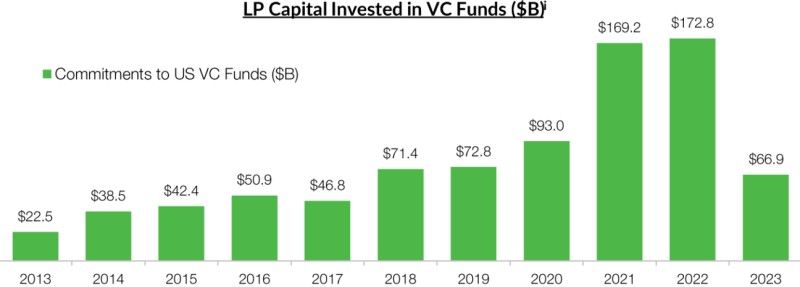
The venture market moves in cycles. Low interest rates and strong public markets can lift private valuations. Later, higher rates, lower public values, weak exits, or fewer LP commitments can make money harder to raise. A startup may still need capital when the deal terms around it have become much harsher.
Supply and demand matter. When many funds compete for a small group of startups, bargaining power may sit with investors. When more startups need money than funds can supply, founders gain leverage. The total amount invested can look large while fewer than 1% of companies seeking venture capital receive it.
Median valuations can hide a wide gap between strong and weak companies. Strong teams may keep raising while others face down rounds, layoffs, extensions, or closure. Capital scarcity often leads to a “flight to quality,” with more time spent checking teams, revenue, retention, and execution.
A large market can still be hard for a founder to reach.
How Investors Evaluate Founders
A venture fundraising process often moves through four parts: screening, first meetings, diligence and partner review, then a decision and legal documents. Historical samples cited in the source found that only about 15% of startups moved beyond an initial screen, while later follow-on funding reached only a minority of seed companies. Interest is not the same as a commitment.
What investors tend to examine
- The quality and experience of the founding team.
- Evidence that the team can carry out its plan.
- Market size and the case for a large outcome.
- Product or technical differences.
- Customer demand, revenue growth, and retention.
- What one customer earns and what the business spends to serve that customer.
- How much revenue each dollar of funding produces.
- Defensibility and the strength of the market position.
- Whether the company can scale without costs rising at the same rate.
- The strength of current and possible competition.
- Whether the round funds a working growth engine or only buys more discovery time.
A founder must handle three jobs at once: sell the company to investors, provide diligence materials and access, and negotiate the legal deal. A typical process can take three to six months, with four months seen as realistic for a company outside a compressed accelerator or demo-day process.
That timeline can stretch when capital is scarce. Investors may ask for more proof on customer retention, sales, margins, hiring, and product progress. A polished pitch will not replace those facts. Meeting investors is useful, but it does not mean an offer is close.
How to Compare Venture Capital Companies
Not every venture capital company is right for every startup. Fund size, stage focus, sector knowledge, and deal style can matter more than a famous brand. A firm that backs your stage but competes for the same customers, hires, or market position may create problems too.
What to check when comparing VC firms
- Past investments and the results achieved across more than one market cycle.
- Experience with the startup's stage, industry, and geography.
- Typical check size and the fund's remaining investment period.
- Ability to invest in the target stage without forcing a premature round.
- What help the firm offers after the investment.
- Recruiting, customer, product, and market expertise within the team.
- Board rights, reporting demands, and other governance terms.
- Whether the portfolio focus conflicts with the startup's plan.
- Alignment between the fund's return model and the founder's exit goals.
- How the manager behaved in down rounds, layoffs, and failed companies.
Past results can tell you about access, judgment, and care during hard periods. They cannot promise the same result in a different market. Strong funds may also limit their investor list, which makes access difficult even when demand for the strategy is high.
I would read the portfolio as a list of operating cases, not as trophies. Look at why each company was backed, what happened after the round, and how much support the founder actually received. The story behind a deal often matters more than the logo.
A famous fund can still be the wrong fit.
Venture Capital Basics Explained With Lego
When Venture Capital Can Help
VC works best when a proven business needs more money to grow into a market that can support a very large outcome. The capital should remove a real constraint, not hide weak product, demand, or management. A bigger budget cannot fix a broken model by itself.
Signs that venture capital may fit
- The market may reward a few dominant players.
- Network effects or platform economics can support a large position.
- Technical, legal, or production barriers require heavy spending.
- A better-funded competitor could take the market if the startup moves too slowly.
- Sales hiring, product work, and geographic expansion can happen at the same time.
- The company has evidence that customers want the product.
- The model can support fast growth without costs rising just as fast.
- The founder wants to build toward an acquisition, IPO, or other liquidity event.
- The investor brings useful recruiting, customer, technical, or market help.
Market size needs honest math. A $200 million market may be attractive. If a company captures 20%, that produces $40 million in annual revenue, which can support a strong company. Yet a $40 million revenue business may not return 50x an early investment. Real market share, margins, and sale value must support the fund's return target.
A profitable company may still raise if it can use the money to enter a much larger market, add a product, or beat a time-sensitive rival. If the model already produces cash, has no urgent market gap, and does not need faster scale, outside capital may add cost without much gain.
Venture capital works best as growth fuel after the model has started to work.
When Another Funding Source May Fit Better
A strong company is not always a venture-scale company. A founder may want control, steady growth, a long operating life, or no outside board. Those goals can point toward another source of money.
Signs that VC may be a poor match
- The company may become self-funding from revenue within 12 to 18 months.
- Steady organic growth already supports the plan.
- The realistic market cannot support a fund-scale return.
- The business depends on a local market, a small service niche, or physical capacity.
- The founder wants to run the company for decades without an exit plan.
- The founder will not accept board rights, investor protections, or regular reporting.
- The company still has unresolved product, market, or management gaps.
- More cash would raise the burn rate without proving the model.
Revenue-based financing can tie repayments to monthly revenue until a fixed multiple, often about 1.3 to 2 times the original money, is paid. It avoids equity transfer and a standard VC board seat, but it usually requires existing revenue and can consume a large share of cash when sales are slow.
Angel investors or angel syndicates may provide faster decisions and more hands-on help at the earliest stage. The source gives a broad angel check range of about $5,000 to $250,000, while angel syndicates can combine larger amounts. Angels use their own money, so they may act after one meeting, but they still need to like the founder and the deal.
Bootstrapping, bank debt, lines of credit, personal savings, and grants can avoid equity. The trade is slower growth, fixed repayment, interest, collateral, or personal liability on some debt. Mailchimp is cited as a company that reached about $700 million in revenue before taking outside investment, showing that self-funding can work when a model supports it.
Accelerators bundle capital with education, mentors, and investor access in exchange for equity. Strategic investors may offer distribution, technology, data, procurement, or customer access, but their corporate goals may not match the startup’s long-term plans. Private equity usually focuses on mature companies and often seeks control, while traditional VC targets younger, riskier companies with partial ownership.
None of these choices is automatically better. The right source depends on the real constraint, the amount needed, the expected return, and the control each option requires. A cheap source can still be costly if its terms fight the company’s plan.
What Happens if a Startup Fails
If a venture-backed startup fails, its common equity can become worthless. The VC loses the money it invested, and the founder’s remaining shares may have no value. In a standard equity deal, failure alone does not make the founder personally liable to the investor.
What a wind-down can involve
- Stop operations and deal with remaining cash.
- Pay or plan for employee and creditor obligations.
- Review contracts, intellectual property, and company records.
- Complete required corporate and legal steps.
- Inform investors and follow the rights in the financing documents.
- Preserve or distribute assets under the cap table and liquidation terms.
Personal liability may arise from a personal guarantee, fraud, a breach of fiduciary duty, misconduct, or failure to meet another legal duty. Those cases are different from an ordinary startup closing after the market or business plan fails.
An experienced VC is likely to have seen failed companies. A founder who acted in good faith, told the truth, and handled the wind-down properly may still be considered for another fund. Hiding bad results or blaming the investor’s money is far more damaging than a plain business loss.
Failure is costly, but ordinary business failure is not fraud.
Questions to Ask Before You Sign
The term sheet is where the headline story meets the real deal. Founders should compare the full documents, not just the valuation or amount in the press release. Each answer changes who owns the company, who controls key choices, and what happens when the plan misses.
Questions for a first VC meeting
- How much ownership will I hold after this round closes?
- Does the valuation include an increase in the employee option pool?
- What milestones would the next investor expect from this valuation?
- What board seat, observer right, or approval right will the investor receive?
- Which decisions need investor consent?
- What financial and operating reports must we provide?
- How does the liquidation preference work in an acquisition or shutdown?
- What growth rate and time path does the fund expect?
- What support can the team provide in hiring, sales, product, or new markets?
- How does the fund usually handle a down round, extension, or failed financing?
I would model ownership through at least three more rounds, including employee options and convertible instruments. Then I would test a lower next-round valuation. The point is not to predict every bad outcome. It is to know how much ownership and control remain if the company takes longer than planned.
I would also put every term sheet in the same format. Compare ownership, control, preference, reporting, and expected support side by side. If the answers stay vague, ask for the full document before the founder treats a meeting like a deal. That is the point where a careful founder keeps the final say.



Comments on “How Venture Capital Companies Work and When Founders Should Choose One”
No comments yet. Be the first to share your thoughts.