
Why Build Your Own Crypto Currency
I got curious about how to build crypto currency after watching the hype cycle around digital money spin yet again. You don’t need to be a coder to get the basics down. The idea of making your own token sounds wild, but the building blocks are simpler than the blind spots they later create. The harder your fight for validation, the more fiercely you defend it.
If you learn how to build crypto currency, you start with picking a chain and writing a simple smart contract. Testing it safely lets you launch with confidence. The harder part is keeping your vision from becoming a prison, as I read somewhere. I’m just one person sharing notes, not a company telling you what to do. It is hard to read the label from inside the jar.
Stablecoins made crypto less scary for many folks because they move less in price. Governments that once pushed back now watch big institutions adapt. That shift shows the space is not a joke, even if some coins still feel like lottery tickets. The rally did not reveal the rot, just camouflaged it.
Picking a Blockchain to Start

The first step in how to build crypto currency is choosing where it lives. Ethereum is a common pick because it has smart contracts and many tools. But there are others like Solana, Near, Tezos, Avalanche, and Cosmos that work too. Each has tradeoffs in speed and ease.
Ethereum uses a proof of stake system now, which fixed old worries about power use. Solana is fast but its tools are less mature, so starting there is a bit harder. I suggest looking at a few and seeing what fits your skill.
Blockchains To Consider
- Ethereum and EVM chains
- Solana for speed
- Near and Tezos for other models
- Avalanche and Cosmos for cross-chain
- The hedera blockchain for low cost
Because of this, I’m focusing on both Ethereum development as well as Solidity because with the Solidity programming language you can program smart contracts for Ethereum as well as for many other EVM compatible blockchains.
When you scan the field, you see that some chains focus on low fee and quick finality. Others care more about wide app support. The key is to match the chain to what you want your token to do. A payment token needs speed, while a complex app token may need a rich tool set. Snow melts first at the edges, so the peripheral chains often teach you more than the centre.
CoinMarketCap explains three ways to create a cryptocurrency
What Is a Token in Blockchain
Before you write code, you should know what a token is in blockchain . A token is a unit of value made and moved using crypto math. It can be a coin native to a chain or a token created by a smart contract on top of it.
In plain words, when you learn how to build crypto currency, you are really making a token that follows rules in a contract. The chain keeps a public ledger of who holds what. This ledger is the backbone of trust. Without it, your token is just a number in a file.
Some tokens stand for votes in a group. Others stand for a slice of a game item. The shape is up to you, but the chain records every move. That open record is why people can trust coins they never touched.
Smart Contracts and How They Work
A smart contract is a self-running program on a blockchain. It sets the rules for a transaction. If you want to build crypto currency, you likely write a contract that says how many tokens exist and who can send them.
These contracts are public and can’t be changed easy after launch, so testing matters. I read that a contract can be a voting system, an auction, or a simple token send. The logic is just code that runs when called. Once it is on chain, it does what it says until the chain stops.
You can think of it as a vending machine. You put in a call, it gives out a result. No clerk, no paper. That is the core of how to build crypto currency without a bank in the middle.
What Is a Smart Contract Platform
To grasp what a smart contract platform does, think of Ethereum as one. It lets you deploy code that runs on many nodes at once. Other platforms exist, and some are faster or cheaper.
When you figure out how to build crypto currency, the platform choice shapes your tools. Solidity is the language for Ethereum and many EVM chains. On Solana you use a different stack, but the idea stays same: code on chain. The platform is the ground your token stands on.
A good platform has docs, a test network, and folks who help newcomers. I found that the less mature ones make you fight the tools. That can be fine if you like tinkering, but it slows a first token.
Writing Your First Contract With Solidity
The Solidity docs are a good start. They show examples like voting and micropayments. You can copy those into a browser tool and tweak them. This is a core part of how to build crypto currency without heavy setup.
I tried reading the docs and it felt okay. The examples are short. You see how a contract stores a balance and moves it. That’s your token right there. The docs also point to a dapp showcase so you can see live apps.
Steps To Learn Solidity
- Read Ethereum docs intro
- Read Solidity docs and examples
- Use Remix IDE to run code
- Build a full stack dapp with local chain
- Check books like Mastering Ethereum
After the basics, you can try a local chain like Hardhat or Truffle. Add a wallet like Metamask and a client lib like Ethers.js. Then you have the full stack most teams use. It sounds like a lot, but one step at a time makes it real.
Using Remix IDE for Quick Tests
Remix is a free browser tool funded by Ethereum folks. You can write a contract, hit run, and see results with no install. For a person like me, this lowers the wall to how to build crypto currency.
You can edit and execute right there. It is a perfect spot to learn Solidity. I spent time clicking buttons and watching the chain react. Made the whole thing less scary. The tool also lets you modify sample contracts to see how small changes shift behavior.
The Remix IDE allows you to create, edit, and execute smart contracts directly from your browser.
When you feel good in Remix, move to a local setup. That step teaches you how apps talk to the chain in the real world. But the browser tool is where most people should start, no doubt.
Create a token on SUI and add liquidity
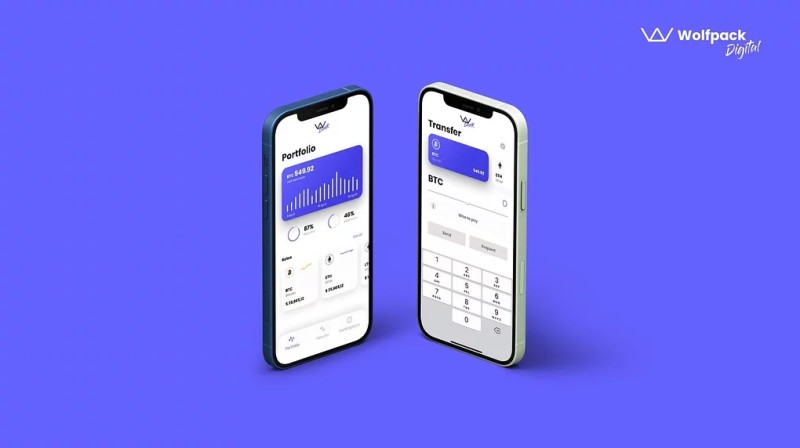
Building a Simple Crypto Wallet

A wallet is software that stores, sends, and receives digital coins. If you build crypto currency, your users need a place to hold it. You can make a wallet with Python, Web3, and a market data API.
I saw a guide using Python and Web3 to connect to Ethereum. It made a pair of keys using a standard signature method. Then it signed a transaction and sent it. That’s the nuts and bolts of a wallet. The guide also fetched market chart data so users see prices.
Wallet Functions From The Guide
- Connect to Ethereum via a provider
- Generate public and private keys
- Create and sign a transaction
- Fetch market chart data with API
The provider can be Infura, which links your code to the network. The keys come from a curve method called ECDSA. You set the sender, receiver, amount, and gas fee in a transaction object. Sign it with your private key and push it out. Simple when broken into parts.
Python and Web3 Tools I Tried
Python has many libs for crypto apps. Web3 is a set that talks to Ethereum. CoinGecko API gives free market data with limits, good for testing. You sign up for a demo key and go.
For how to build crypto currency, these tools let you peek at prices and chain state. I liked that the API had a free plan with a call rate limit and monthly cap. It shows the market chart for a contract in USD. Not hard to wire up if you follow the docs.
There are also client side libs like Web3.js or Ethers.js that do similar jobs in JavaScript. Pick what your brain likes. The chain does not care what language you used to call it.
Wallet and Exchange Services
When you build a crypto app, you need a wallet and a way to swap coins. Self-hosted is complex at start due to the chicken and egg issue. Using an existing service like a big exchange is easier short term.
If you want to keep fiat money in your system, add a fiat account. Moving from fiat to crypto must be fast. A banking service or custodian can help. This is part of how to build crypto currency apps that feel real to everyday users.
A self-hosted wallet and exchange can be beneficial, but at the beginning, you will stumble upon the chicken and egg issue.
The speed of fiat to crypto swap matters a lot. If it takes days, people leave. A banking as a service provider can bridge this gap. I note this because many new builders forget the boring money pipe.
KYC and AML Steps for Apps
To follow rules, you collect user info and source of funds. This is called KYC and AML. It is standard and there are ID check services that are friendly to devs. You verify who people are before they trade.
I think this part is boring but needed. If you skip it, you may break laws. The process is straightforward if you pick a market and read its rules. Use a service with good docs to save time. Recommended ID verification services have clear APIs.
Key Components Of A Crypto App
- KYC and AML onboarding
- A wallet for coins
- A fiat account for normal money
- Service to exchange fiat and crypto
- Brilliant design for users
Design is the last piece but not small. A shiny interface keeps users engaged. The market has many great players, so you must compete on ease, not just price. I’d rather use a plain app that works than a pretty one that confuses me.
Tokenomics and Revenue Streams
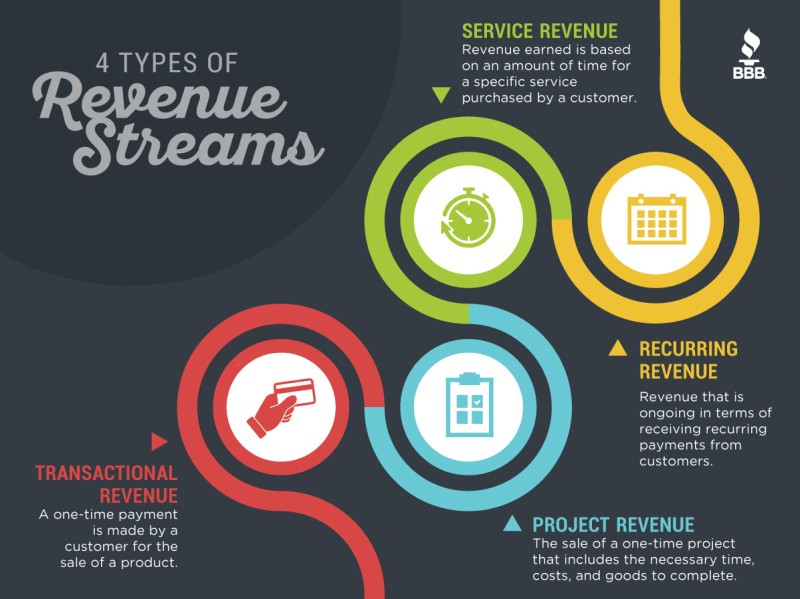
Many tokens fail because of poor design. If you learn how to build crypto currency, you must think about long term value. Scarcity alone is weak; you need use or revenue. Some projects share fees with stakers like dividends.
I read that crypto ventures should add real revenue streams. A decentralized exchange might give trading fees to token holders. That makes the token more than just hope. GMX is one example that pays stakers from trading fees.
Scarcity alone is a very unreliable method of preserving wealth given that it relies on either growing user adoption, or at least maintaining it across time.
Revenue Stream Ideas
- DEX trading fees to stakers
- Digital game sales feeding token
- Real estate rent converted to token
- SaaS payments in crypto
US currency stays strong because millions of businesses use it for settlement and treasury. Crypto lacks that circular flow at first. To be stable, a token needs folks who accept it for goods, not just speculators. That is a hard climb but worth the plan.
Some tokens tie to digital products like video games, where each sale feeds the economy. Real estate tokenization brings rent back to holders, but needs on ramps to normal money. The best streams are uncorrelated to the rest of crypto, so a Bitcoin drop doesn't sink you. A treasury to buffer sells helps break that link.
Crypto Ventures and Real Users
Most token users are speculators, not real users. That brings wild swings. Good crypto ventures separate the two groups. They protect people who actually use the service from price crashes.
When you build crypto currency, aim for a circular economy where folks accept it for goods. That stability is rare but worth chasing. I care about this because a token that only pumps and dumps hurts people. The source noted that firms sell products in normal cash so stock price swings don't hit customers; web3 can copy that split.
Staking rewards pull in long term holders, but speculators may still dump and drag value. Designing a model that shields real users is the real craft. It is more than writing a contract; it is shaping behavior.
Build a Solana token using the command line
Other Blockchains Like Hedera and Solana
Beyond Ethereum, the hedera blockchain gets mentioned for low cost and speed. Solana is quick but tooling is younger. Nimiq runs in browser with no install, neat for simple pay. That one makes a wallet in seconds, no download.
If you check a list of crypto currency , you see tons of chains. Each has fans. I say pick one that matches your goal, not the loudest hype. Avalanche is EVM so Solidity works there too. Cosmos aims for many chains talking to each other.
The most exciting parts of this space are the ideas around decentralization itself, DeFi, governance / DAOs, stablecoins, NFTs.
Some commenters note that non traditional stacks need more docs. Ethereum info is plenty, but smaller chains lack tutorials. If you build on those, you may write the guide others need. That is a fine way to help.
Where to Learn More With Courses
For deeper skills, cryptography online courses help you understand keys and hashes. There are free tutorials and videos on Ethereum and Solana. Books like Token Economy explain the big picture of web3.
I also found podcasts and YouTube channels useful. They show real devs building. You don't need a degree, just time and curiosity about how to build crypto currency the right way. Channels like Eat the Blocks and Finematics break down hard parts.
Learning Resources
- Ethereum and Solidity docs
- Remix IDE browser tool
- Books like Mastering Ethereum
- Podcasts such as Crypto 101
- Video channels like Eat the Blocks
Grants programs let you learn while paid. Gitcoin and hackathons open doors. Many teams hire from their community, so join Discord and GitHub. Active help often leads to a role without a formal apply. That path worked for many devs moving from web2.
Looking at the List of Crypto Currency
If you browse a list of crypto currency , you'll see Bitcoin, Ethereum, and many more. Some are stablecoins tied to the dollar. Others are pure speculation. Knowing the field helps you design better.
When I first looked, I wondered what blockchain polymarket is on and saw it uses a major chain. Examples like that show how tokens power real apps, not just trades. A prediction market needs a smart contract platform to settle bets.
Bitcoin launched in 2009 and showed that a coin could live without a central bank. Ethereum launched in 2015 and added contracts. Those dates matter because they mark the base layers most tokens build on today.
Thoughts on Buying Coins vs Building
Friends often ask me best crypto coin to buy today or the top ten cryptocurrencies . I get it, but my focus is making, not buying. Building teaches you the guts of the system.
Everyone guesses the next big crypto coin , yet the real win is learning the craft. How to build crypto currency gives you power to create value, not just chase it. A token you made can fail, but you walk away with skill.
Speculation pulls many into the space for fast money. Scams follow the crowd. I warn you plain: if a project hides its code or team, step back. The open chain lets you check facts before trust.
Data Platforms for Blockchain Info
Even after you launch, you need to read chain data. Allium is a platform that serves many blockchains and schemas. It makes data easy for devs and analysts. Visa used it for stablecoin dashboards.
I like tools that hide the messy parts. Blockchain data is public but hard to query. A platform that cleans it saves weeks. This helps crypto ventures grow with less pain. They index chains so you can ask simple questions with few SQL calls.
The tech behind such platforms often uses a data streaming core to keep info fresh. One project used a cloud service to pipe events from nodes to warehouses. That shift left pattern moves cleaning closer to the source, cutting cost. Phantom wallet used similar data to cut latency for users.
Keeping Your Vision Clear
The long description of this post said the harder part is keeping the vision from becoming a prison. I feel that. When you build crypto currency, you might fixate on price and lose the point.
Make something useful, test safe, and talk to real users. That's my plain advice. The code is simple; the human part is the trick. A token is a tool, not a trophy.
Building a cryptocurrency app might not be so complex on the surface, but it has its challenges in terms of integrating with the best services.
Hey, don't skip the part about real users. If you only chase speculators, your build may fade. Keep the reason you started in view, and the blind spots get smaller.

Comments on “How to Build Crypto Currency Without the Confusion: A Plain-Speak Guide to Your Own Token”
No comments yet. Be the first to share your thoughts.