
What Crypto Is and Why It Matters
Crypto is digital money that runs on a blockchain-a public ledger of trades, held by many computers rather than a single bank or government. I like to think of it as a shared notebook no one can secretly erase. That architecture makes crypto open, and hard to fake.
The thread running through this piece is how to start investing in crypto. That means committing a little capital to these coins the smart way. You don’t need a finance degree, you need clear steps and a calm head. The puzzle of money is easier to solve when the table is large enough to hold the pieces.
A few plain traits worth noting: it is decentralised, so no single boss controls it. It moves across the world in minutes. A phone is enough to use it. Every trade shows on the chain for all to see. Knowing these basics helps you avoid blind buys and instead build a plan.
Some platforms, like NBX, offer regulated markets and strong security. They help newcomers begin with less worry. Reliable venues provide institutional-grade safety and fair fees. But the first job is learning the language of this space. Core assets like Bitcoin and Ethereum show the range. Bitcoin is the original coin, capped at 21 million. Ethereum backs smart contracts and apps. Stablecoins like USDT and USDC aim to track the dollar, so you can park value without wild swings.
When you look at any coin, ask what problem it solves. Is there real demand against supply? That kind of fundamental analysis separates hype from lasting use. BTC’s capped supply and pioneer status give it weight. ETH’s role as a backbone for many projects gives it purpose. This is the soil your investing plan should grow from.
Why Newcomers Like Crypto
Plenty of ordinary people, students included, take a peek. The pull is real. If you have ever wondered how one might first buy into cryptocurrency , you are far from alone. Crypto feels like a new frontier that anyone with a phone can touch.
Reasons newcomers get curious
- Low entry barrier: you can begin with modest cash, even a few dollars.
- High learning value: it builds financial and technical literacy for what’s ahead.
- Future mindset: it feels modern, tied to the next iteration of the web.
- Growth hope: the long-term upside draws young people and cautious savers alike.
Surveys suggest a chunk of Gen Z now hold digital coins, roughly double earlier counts. In Australia, tax authorities estimate around 600,000 people have tried crypto. Those numbers tell me the train is moving, but you can still step aboard at your own pace. No need to sprint.
That said, hype can bite. The traits that make you excited-FOMO, easy entry-can later make you brittle. The fix is learning the basics and keeping risk low before the market teaches you a hard lesson. Easier said than done, but worth the fight. Start with the mindset that you are here to learn a rhythm, not to get rich by midnight.
Craig Percoco's 2025 beginner crypto investing guide
Kinds of Crypto Investors
People arrive at crypto with different aims. Some want to sleep at night. Others crave the big swings. I find it useful to name the types so you can spot your own fit before you spend a dime.
Common investor profiles
- Conservative: protects capital, sticks to BTC, ETH, stablecoins, may stake.
- Aggressive: chases altcoins, ICOs, memecoins, uses leverage and quick trades.
- HODLER: buys and holds through storms, uses dollar-cost averaging, ignores noise.
- Day trader: profits from short moves, needs fast charts and low fee platforms.
- Diversified: mixes large caps with a small wild slice, rebalances on a schedule.
Recognizing where you fit can shape your approach and risk tolerance.
For many, a regulated exchange with low fees is safe ground. It lets you try a style without the rug pulling from under your feet. NBX’s secure trading environment and low fees allow investors to tailor their approach while keeping solid conditions. You might be a conservative buyer one month and a diversified holder the next as you learn.
Don’t force a label. I suspect most beginners start close to conservative without knowing it. They buy a little BTC, watch, then decide. That’s fine. The key is to match your plan to your stomach for risk.
Common Ways to Invest
There is more than one road. When you first ask how to start trading crypto , you’ll see it’s not just buying and waiting. Some paths demand daily attention. Others simply require patience and a calm mind.
Popular strategies
- Speculation: buy low, sell high on price swings, needs market study not luck.
- Holding (HODL): buy and keep for years, bet on future worth of core coins.
- Trading: active buy and sell to catch short moves, needs low fees and focus.
- Staking: lock coins to help networks like Ethereum, earn passive interest.
- Lending: loan your coins via platforms, collect yield from borrower collateral.
People search for the best crypto trades , but slow and steady wins for most. Beginners often start with simple buy-and-hold or low-fee trading. Later they may try staking or lending as they grow comfy. Each method asks for a different risk profile and tool set.
Stablecoins like USDT, USDC, and USDM aim to track the dollar. They give you a way to sit out price swings. That can be a calm pool while you learn the ropes. For example, you might hold USDC while you watch BTC and ETH, then shift when you feel ready. This is not a get-rich path, just a way to keep footing.
Picking an Exchange and Wallet
Your first concrete step is choosing where to trade. Some folks search for the best website to invest in crypto with safe rules. I say look at regulation, fees, and ease of use before anything else.
What to check on a platform
- Regulation and security: NBX is registered in Norway, gives strong cover.
- Fee structure: exchanges often under 1%, Bitcoin ATMs can charge ~10%.
- Supported assets: BTC, ETH, stablecoins, ADA staking are common on good sites.
- User experience: mobile apps cut friction for first timers and reduce mistakes.
Wallets split into hot and cold. Hot wallets stay online, good for daily trades but more exposed. Cold wallets are hardware like Ledger or Trezor, best for large holdings. You must back up private keys with care. Losing them means losing coins forever, plain and simple.
Use a reputable exchange, enable two-factor auth, store most coins in cold wallet, keep only trade money in hot storage.
The line between exchange and broker matters. Exchanges give more coin choice and lower fees but you manage funds. Broker apps are easier but cost more and list fewer coins. For a beginner, a regulated exchange with a clean app is a sweet spot. And always turn on two-factor authentication the minute you sign up.
Craig Percoco's 8-year crypto beginner roadmap
Steps to Make Your First Buy

I broke the process into plain moves. You might wonder how one can invest in cryptocurrency with just a phone. The path is clear if you take it slow and don’t skip the homework.
Basic steps to begin
- Define your profile and goals: conservative, aggressive, or learning focus.
- Learn basics: read guides, study market cap, liquidity, supply and demand.
- Research coins: check market cap size, tokenomics, team, use case, sentiment.
- Choose platform: NBX for low fees, WazirX for mobile, IRA for tax edge.
- Open account: give ID, enable 2FA, fund via bank transfer or debit card.
- Pick wallet: exchange wallet for start, hardware for long keep of big sums.
- Buy first crypto: BTC, ETH, or stablecoins are common safe starting points.
- Apply security: strong passwords, offline seed backups, alert mind for phish.
- Consider tax-advantaged IRA if you have one, via self-directed custodian.
- Know age rules: most exchanges need you 18+, kids use custodial accounts.
You may also ask how you actually buy crypto coins on these apps. You fund, tap buy, and choose amount. Fees are often below 1% on spot trades. A small first buy of $50 to $200 keeps danger low while you learn the feel of the market.
If you have an IRA or 401(k), a self-directed account can hold crypto. You put cash in, can’t use personal keys, and the custodian reports value each year. Gains grow tax-free or tax-deferred based on type. This is a slower door but useful for long-term savers.
He asked how to invest in crypto currency and I said start with BTC. It has a capped supply of 21 million and is seen as more mature. ETH backs smart contracts and many apps. Both are large-cap and less wild than small coins. Stablecoins can sit beside them for balance.
Mining as a Side Path
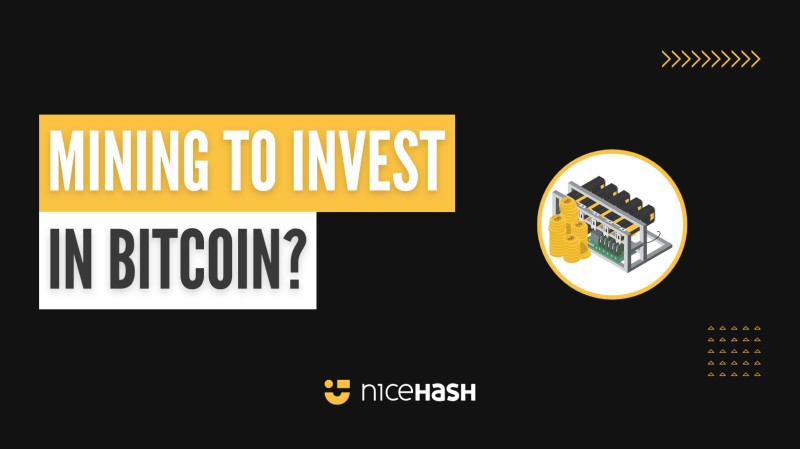
Buying coins is not the only way. Mining earns coins by lending your computer power. NiceHash lets you sell your PC hashing and get Bitcoin every few hours. If you already own a gaming PC, the start cost is mostly power.
Mining pros and cons
- Pros: can earn more than electric cost if you have a good GPU ready.
- Pros: start quick, download miner, pick algorithm, launch in seconds.
- Cons: needs decent graphics card or ASIC, old gear loses money fast.
- Cons: profit shifts with coin price, network difficulty, power rates, heat.
The act to sell or buy cryptocurrency is just moving coins on the same platform after you mine some. Mining is best as a side activity, not your main plan. It teaches you how blockchain works though. One example from sources: electric cost $50 a month, mining earn $75, net $25. That shows it can work but is not a sure thing.
Think of mining like a hobby that pays a little. It complements buying but shouldn’t replace a balanced start. Most beginners are better off just buying a known coin and learning the market first.
Learning and Staying Safe

Good habits beat luck. A strong education plan keeps you alive in this space. I keep a list of materials I trust and add to it as I go.
Helpful learning tools
- Blogs: Stephen McKeon's posts give clear foundations for newcomers.
- Book: Cryptoassets by Burniske and Tatar for history and value ideas.
- Podcast: Unchained by Laura Shin breaks complex topics into talks.
- Newsletters: Token Economy for weekly smart comment on the market.
- Security: Ledger or Trezor bought direct, seed phrases stored offline.
Only invest what you can afford to lose. Crypto prices can swing dramatically.
In the test, she needed an an easy way to buy crypto and picked a vetted platform with KYC. That kept her safe. You should too. Avoid FOMO, set entry and exit points, and diversify with large caps plus a small speck of risky coins. A mix of BTC, ETH and a tiny alt slice can smooth the ride.
Community helps. Read forums like r/CryptoCurrency, join Discord, follow news. But always check URLs and never share private keys. Scams love newbies. Use testnet versions of apps to learn smart contracts without real risk. Read whitepapers of Bitcoin and Ethereum to see the raw design.
Coin Bureau's cryptocurrency 101 beginner guide
A Small Real Test

The sources shared a story of Madeleine, a woman in her early 40s, who tried a three-month test with $100. She read guides, picked a vetted exchange, and bought ETH. Her step was small but real.
She got about 0.0356 ETH at a price near $2,804. Soon the price dipped to about $2,579, an 8% drop. That stung but taught her to think long term. She set a rule to learn one hour each week and followed newsletters and podcasts.
The experiment resulted in a modest loss, but provided invaluable practical experience.
Her take: start small, put security first, keep an emergency fund separate. Crypto is a learning ride, not a get-rich trick. That matches my view too. The $100 skin in the game gave her real exposure without breaking her stable life. Engage with forums to dodge pump-and-dump traps.
Risks You Should Know
Even with a plan, crypto has sharp edges. I want to flag the big ones so you don’t get cut in your first month.
Common risks and fixes
- Price volatility: coins can swing 10-30% a day, diversify to soften blows.
- Regulatory uncertainty: laws differ, use regulated exchanges, keep records.
- Scams and phishing: fake wallets, bad apps, verify URLs, no key sharing.
- Emotional trades: FOMO leads to dumb moves, set rules and stick to them.
- Exchange hacks: limit holdings on exchange, use cold storage for bulk.
- Technical complexity: learn backups and fees, ask pros for big sums.
For those seeking the best crypto to trade , large caps like BTC are less wild but still move. Hey, don’t skip this part: keep emergency cash out of crypto entirely. A 50% drop is common in a bull market correction, so never stake rent money.
Risk is part of the game. But you can lower it by starting tiny and learning non-stop. Set predefined entry and exit points. Use regulated exchanges where possible and review account activity often. Phishing emails pretend to be your platform, so always type the URL yourself.
Key Numbers from the Sources
I pulled some figures from the merged guides. They help size the space without dated hype. Numbers shift, but the scale stays useful for a beginner’s map.
Notable data points
- Bitcoin all-time high above $111,842.71, capped supply 21 million coins.
- Ethereum purchase example near $2,804, later dip to $2,579 shows quick swings.
- Gen Z ownership around one third, up from earlier lower counts in surveys.
- Australian crypto users estimated near 600,000 by tax office records.
- NBX fees progressive down to 0.01% on NiceX, Bitcoin ATM ~10% fee.
- NiceHash mining sample: $75 earn vs $50 power cost, $25 net profit a month.
These numbers are snapshots, not promises. The market shifts, but the lessons stay. When you read stats, check if they help your plan or just feed FOMO. A coin’s market cap category matters: small-cap under $1 billion is volatile, mid-cap $1-10 billion balanced, large-cap above $10 billion more stable like BTC and ETH.
Simple Recap for Beginners
Let’s boil it down. The main word how to start investing in crypto means building rhythm, not chasing riches. The traits that make newcomers excited can later make them brittle. The antidote is learning, picking a strategy, and keeping risk low.
Essential steps to remember
- Define goals and risk tolerance before any buy, write them down.
- Educate on blockchain, terms, and fundamental analysis of projects.
- Select reputable platform by fees, security, assets, and user feel.
- Complete ID check and fund account safely with bank or card.
- Choose wallets: hot for trade, cold for keep, backup seeds offline.
- Start modest in BTC or ETH, stablecoins for calm dollar anchor.
- Implement security: 2FA, hardware, offline backups, alert for phish.
- Stay informed via newsletters and reputable sources, learn weekly.
- Monitor and adjust as life and market change, don't panic sell.
- Never invest more than you can afford to lose, keep emergency cash.
Keep emergency funds separate from crypto investments.
That’s the jigsaw. Piece by piece, the puzzle of money gets easier on a big enough table. I hope my notes help you begin with eyes open and a steady hand. The first few pieces are the hardest, then the picture starts to show.


Comments on “How to Start Investing in Crypto: The First Few Pieces on a Large Enough Table”
No comments yet. Be the first to share your thoughts.